Pre Workout Meal for Muscle Growth: Timing, Protein, Carbs, and Easy Ideas
2026-10-08
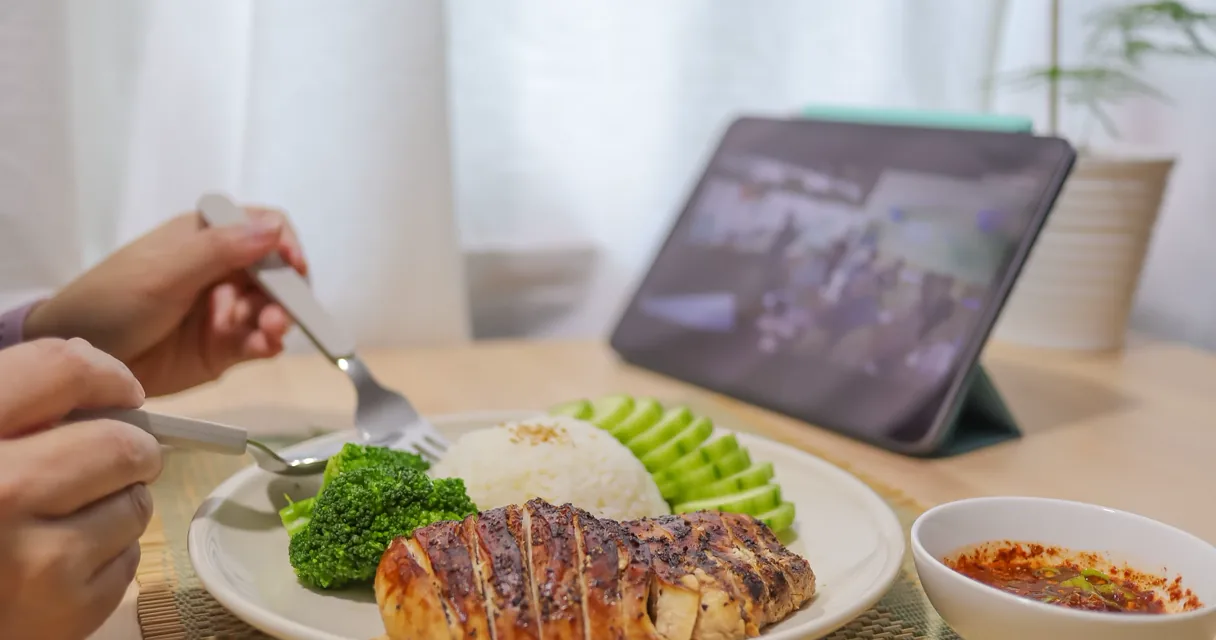
A pre workout meal for muscle growth does not need to be a complicated recipe or a supplement stack. Its job is simpler: help you arrive at your session with enough energy, enough amino acids, and a comfortable stomach so that you can perform hard, repeatable sets.
The right meal depends on the time available, the length and intensity of your workout, your digestion, and what you have eaten during the rest of the day. Daily calories, protein, training progression, and sleep drive most results. Pre workout nutrition is a useful way to support those basics, not a shortcut around them.
The short answer
For most lifters, eat a normal meal containing 20 to 40 grams of protein and a useful serving of carbohydrates one to three hours before lifting. Keep fat and fiber moderate when the meal is close to training, since very large amounts can make some people feel slow or uncomfortable.
If you train very early, after a long gap without food, or with only 30 to 60 minutes to prepare, a smaller option can work well. A whey shake with a banana, yogurt with cereal, or toast with a protein source can be enough. The best choice is the one you can digest and repeat.
| Training situation | Useful starting option | Why it works |
|---|---|---|
| Two to three hours before lifting | Mixed meal with protein, carbs, and vegetables | Time for a larger meal to digest |
| Sixty to ninety minutes before lifting | Smaller protein and carb meal | Energy without excessive fullness |
| Thirty to sixty minutes before lifting | Shake, fruit, toast, or low fiber snack | Fast, light, and practical |
| Early fasted training | Small shake or snack if tolerated | Reduces a long gap without protein |
What a pre workout meal actually needs
Protein provides a useful amino acid feeding
Protein near training can help make the full day of eating more consistent, particularly when your previous meal was several hours ago. A serving of roughly 20 to 40 grams works for many people, while larger athletes and people eating fewer meals may need the upper end of that range.
Whey, Greek yogurt, eggs, poultry, tofu, tempeh, fish, and lean meat can all fit. You do not need a shake if a real meal is easier. For a bigger framework, use our guide to protein per meal for muscle growth rather than trying to make one pre workout snack carry your whole diet.
Carbohydrates support demanding work
Carbohydrates are especially useful before high volume sessions, long workouts, hard leg training, or a second training session on the same day. They can provide readily available energy and help you keep repetitions, load, and training quality higher across the session.
The amount is individual. A short upper body workout may feel excellent after fruit and toast. A long lower body session may call for a larger rice, potato, oats, bread, or cereal serving. Increase carbs because your performance and total intake need them, not because a generic meal plan says everyone needs the same number.
Fat and fiber are not wrong, but timing matters
Healthy fats and high fiber foods belong in a muscle building diet. Just avoid turning a meal that is close to training into an experiment with a huge salad, fried food, or a very fatty restaurant meal. Those choices can slow digestion and cause discomfort for some lifters.
If you have two or three hours, a mixed meal with some fat and vegetables is usually fine. If you have thirty minutes, choose foods you already know sit well. Your own digestion is more useful than a universal food list.
How long before training should you eat?
Two to three hours: the easiest window for a full meal
This timing gives most people enough room for a balanced meal. Try a protein source, a carbohydrate source, and produce or a small amount of fat. Examples include chicken with rice and vegetables, eggs with toast and fruit, or tofu with noodles and vegetables.
A larger body size, a high calorie target, or a difficult leg session may justify a larger meal. Stop short of eating so much that your warm up feels heavy. The goal is productive training, not finishing every calorie before you leave home.
Sixty to ninety minutes: simplify the plate
When time is shorter, use an easy to digest protein and carbohydrate combination. Greek yogurt with cereal and berries, a turkey sandwich with fruit, or whey with oats can fit well. Keep portions moderate and use foods that you have tolerated before.
This is a practical slot for lifters who train after work. If lunch was several hours earlier, a small meal can make the evening session feel much stronger without replacing dinner.
Thirty to sixty minutes: keep it light
A full meal is not mandatory before lifting. A banana and whey shake, a drinkable yogurt with a rice cake, or toast with a lean protein option can be enough when you need something quick.
Do not force food if it causes nausea or cramping. In that case, fluids and a post workout meal may be more practical. Our comparison of whey protein before or after a workout explains how the gap since your last meal changes the decision.
Five simple pre workout meal ideas
1. Chicken, rice, and fruit
Use this two to three hours before a demanding session. It gives you a clear protein serving, easy to adjust carbohydrates, and familiar foods that are simple to log.
2. Greek yogurt, cereal, and berries
This works well around sixty to ninety minutes before training. Choose an amount of cereal that fits your calorie target, and use a yogurt portion with enough protein to make it a real feeding.
3. Oats with whey and a banana
This is useful when you need a portable breakfast before a morning workout. Use less oats if training starts soon, or make it larger if you have more time to digest.
4. Turkey toast with a piece of fruit
A practical option for a lunch break or after work session. It is easy to assemble, gives protein and carbs, and rarely requires a large portion.
5. Tofu rice bowl
For plant based lifters, tofu with rice and a light sauce can deliver protein and carbohydrates without relying on a supplement. Add vegetables when you have enough time before training to digest them comfortably.
Do you need a pre workout meal to build muscle?
No. Muscle growth does not depend on a narrow anabolic deadline before each session. A person who trains after a normal breakfast or lunch can make excellent progress without a dedicated snack. A person who prefers a light stomach can also progress if total protein and calories are in place.
The meal becomes more valuable when you train fasted, train after a long workday without eating, struggle to complete planned volume, or need extra calories for a gaining phase. It is a tool for performance and consistency, not a rule that overrides preference.
Pre workout nutrition for common goals
Building muscle in a calorie surplus
Use the meal to help reach your calorie target without arriving overfull. A balanced meal two to three hours before training is often the simplest approach. Add carbs gradually when performance stalls or when the rest of the day makes it hard to eat enough.
Losing fat while keeping muscle
Keep protein high and choose a meal size that fits your calorie budget. Carbs can still support hard training during a deficit, especially around difficult sessions. Read our guide to building muscle in a calorie deficit for the bigger priority order.
Morning training
If a full breakfast feels bad, use a smaller protein and carb option or train without food if performance remains good. Then follow the session with a protein rich meal. There is no prize for forcing a large breakfast before an early workout.
Common mistakes
Treating a pre workout meal as more important than the full day
One carefully timed snack cannot fix low daily protein, inconsistent training, or poor recovery. Start with calories, protein, and a program that actually progresses. The GymLog calorie calculator can help you set a realistic intake before polishing the details.
Copying another lifter’s portion size
A 100 kilogram lifter preparing for hard squats has different needs from a smaller lifter doing a short upper body workout. Adjust portions from your hunger, digestion, body weight trend, and session performance.
Trying unfamiliar foods before a hard session
Save new recipes, very spicy foods, and oversized meals for another time. Training days reward predictability. Use a meal that lets you focus on the work rather than your stomach.
The bottom line
A useful pre workout meal for muscle growth combines familiar protein and carbohydrates at a time that suits your schedule. A larger mixed meal generally fits two to three hours before lifting, while a small snack or shake works when time is short.
Log the meal timing, training performance, and recovery in GymLog for two or three weeks. That makes it easier to see whether a simple nutrition change helps you perform better, instead of guessing from one unusually good session.