Cable Pull Through vs Romanian Deadlift for Glutes: Which Fits Your Training?
2026-10-12
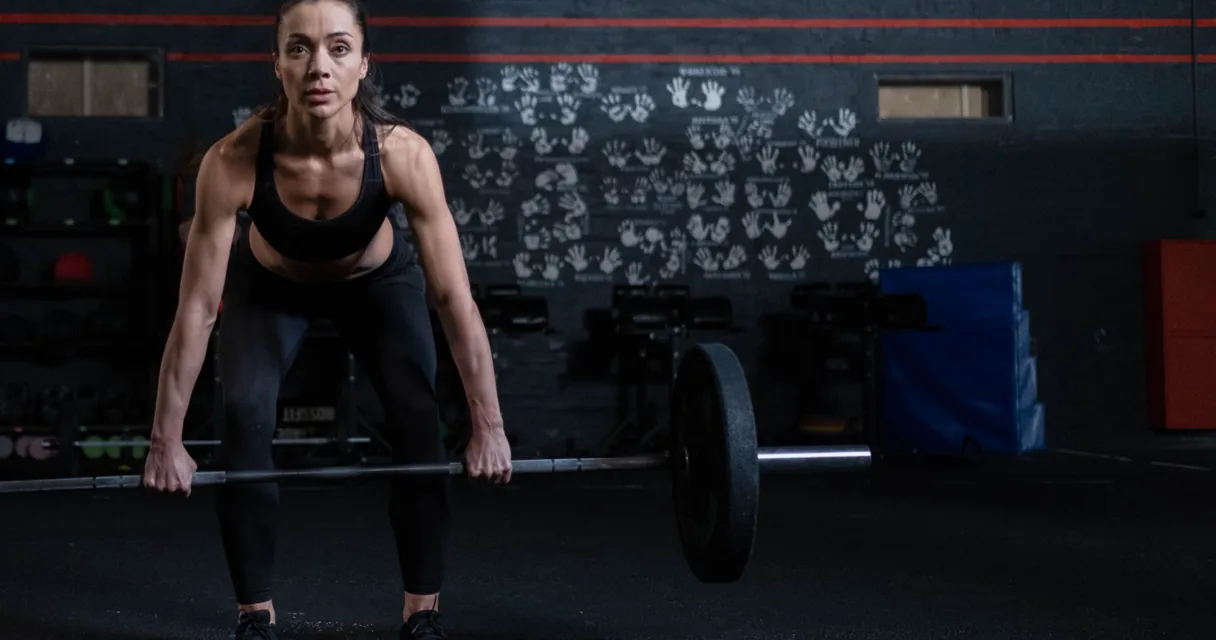
Cable pull throughs and Romanian deadlifts both train hip extension, so they are often treated as interchangeable glute exercises. They are not. A Romanian deadlift asks you to control free weight through a long hip hinge, while a cable pull through gives resistance from behind you and usually makes learning the hinge feel more obvious.
For glute growth, the better choice is the one you can load, control, recover from, and repeat. The Romanian deadlift is usually the stronger long term compound lift. The cable pull through is a useful accessory, a beginner friendly hinge pattern, or a lower fatigue option when a barbell is not the best fit.
The short answer
Choose the Romanian deadlift when you want a heavily loaded hip hinge that also challenges the hamstrings, grip, and trunk. Choose the cable pull through when you want direct hip extension with a simpler setup, a lower skill barrier, and little grip demand.
Neither movement isolates the glutes. Both use the glutes to extend the hips, and both benefit from a controlled range and hard sets close enough to failure. The main tradeoff is not whether one movement activates a muscle on a chart. It is how much useful tension, fatigue, and repeatable progression each exercise gives you.
| Factor | Cable pull through | Romanian deadlift |
|---|---|---|
| Resistance source | Cable pulling from behind | Barbell or dumbbells held in front |
| Learning focus | Hips move back, then drive through | Balance, hinge depth, bar path, bracing |
| Loading potential | Moderate | High |
| Hamstring challenge | Moderate and individual | Usually high at long muscle lengths |
| Grip and trunk demand | Low to moderate | Moderate to high |
| Best role | Accessory, learning tool, lower fatigue work | Primary hip hinge and progressive overload |
Cable pull through: a cable hip hinge for glutes
A cable pull through uses a low pulley and rope attachment. You face away from the stack, let the cable pull your hips back, then stand by extending your hips. The cable creates tension behind the body, which can make the idea of pushing the hips back and driving them forward easier to feel than with a barbell.
What the cable pull through does well
The movement is convenient when you want glute focused hip extension without holding a heavy bar. Your hands hold the rope, but grip usually does not decide the set. That can be useful after rows, deadlifts, or demanding upper body work when your forearms are already tired.
It also gives beginners a clear hinge rehearsal. Many new lifters turn a Romanian deadlift into a squat or lower the load by rounding forward. A light cable setup can teach the hips to travel backward while the shins stay comparatively quiet. This is practice, not a reason to rush loading.
Cable pull through technique cues
- Set the pulley low and use a rope attachment.
- Step forward until the cable has tension before the first repetition.
- Soften the knees, then send the hips back instead of squatting down.
- Keep the rope close to the body and let the hips travel back as far as you can control.
- Press the floor away and extend the hips without leaning far backward at the top.
Do not force a huge range simply because the cable permits it. Stop the descent when your pelvis and torso can stay controlled. A stable, repeatable range beats a dramatic stretch created by losing position.
Romanian deadlift: more loading and more whole body demand
The Romanian deadlift starts from standing with a barbell or dumbbells. You unlock the knees, push the hips back, keep the load close to the legs, and stand by extending the hips. The glutes contribute strongly, while the hamstrings experience substantial tension as they lengthen during the descent.
This makes the Romanian deadlift a powerful option for lifters who want one movement to build the posterior chain. The cost is greater coordination. Grip, trunk position, balance, and the ability to judge a controlled depth all matter. Those demands are useful when they fit your program, but they can limit how much direct glute volume you can recover from.
Romanian deadlift technique cues
- Start with the load close to the thighs and keep it close throughout.
- Move the hips backward rather than thinking about lowering the weight with the arms.
- Keep a soft knee bend without turning the exercise into a squat.
- Descend only while you can keep the torso and pelvis controlled.
- Finish by standing tall with the ribs stacked over the pelvis, not by aggressively leaning back.
If you mainly want hamstrings, the Romanian deadlift and a curl are not redundant. Our guide to Romanian deadlifts versus leg curls explains why hip extension and knee flexion each bring something different to a complete hamstring plan.
Which exercise is better for glute hypertrophy?
There is no useful universal winner. Glutes grow from sufficiently challenging hip extension work performed consistently over time. The Romanian deadlift often has an advantage when you can progressively load it while maintaining a similar range and technique. The cable pull through can be excellent when it lets you add quality sets without exhausting grip, lower back, or confidence.
Pick Romanian deadlifts when
- You want a main lower body compound movement.
- You can keep a consistent hinge and recover well from it.
- Hamstrings matter alongside glute development.
- You have access to barbells or dumbbells and can record small load increases.
Pick cable pull throughs when
- You are learning the hip hinge or returning after a layoff.
- A free weight hinge bothers your grip or feels too technically demanding today.
- You want extra glute work after a main squat, split squat, or deadlift pattern.
- You need a movement that is easy to take near failure with controlled form.
A productive program can include both. For example, use Romanian deadlifts for three sets of six to ten repetitions early in a lower body session, then cable pull throughs for two or three sets of ten to fifteen repetitions later in the week. This adds hip extension volume without making every set a heavy hinge.
Sets, repetitions, and progression
The best rep range is one that lets you keep the same setup and make progress. Romanian deadlifts often work well for six to ten or eight to twelve repetitions. Cable pull throughs commonly suit eight to fifteen or twelve to twenty repetitions because cable stacks can jump in larger increments and the movement is usually less limited by grip.
Use double progression. Keep the load stable until you can reach the top of your chosen rep range on all planned sets with comparable range and effort. Then add the smallest useful amount of weight. The progressive overload guide shows why a logbook and repeatable conditions matter more than changing exercises every week.
| Goal | Main choice | Starting prescription |
|---|---|---|
| Learn the hinge | Cable pull through | 2 to 3 sets of 10 to 15 reps |
| Build posterior chain strength | Romanian deadlift | 3 sets of 6 to 10 reps |
| Add glute volume with less grip work | Cable pull through | 2 to 4 sets of 10 to 20 reps |
| Train glutes and hamstrings together | Romanian deadlift plus leg curl | 2 to 4 sets each across the week |
Common mistakes with both exercises
Turning the hinge into a squat
Bending the knees a little is normal. Sitting straight down until the knees travel far forward changes the movement and often reduces the hip hinge you intended to train. Start each repetition by sending the hips back.
Chasing range instead of control
A longer range is only valuable when you can own it. If the lower back rounds, the pelvis rotates excessively, or the cable pulls you out of position, reduce the range and build it gradually.
Treating soreness as the scorecard
A new cable movement may make the glutes sore, and a heavy Romanian deadlift may make the hamstrings sore. Neither sensation proves one exercise is superior. Track load, repetitions, range, effort, and recovery instead. The Bulgarian split squat guide uses the same principle: exercise selection should serve a clear training result, not a single sensation.
The bottom line
Cable pull throughs and Romanian deadlifts are both useful glute exercises, but they solve different programming problems. The Romanian deadlift is usually the better primary hinge when you want substantial loading and hamstring involvement. The cable pull through is a practical accessory for learning, adding glute volume, or training around grip and fatigue limits.
Choose one setup, log it in GymLog for several weeks, and only change when your progress, recovery, or equipment gives you a reason. Consistent hard sets beat an endless search for the perfect glute exercise.