Close Grip Bench Press: Build Triceps Without Hurting Your Wrists
2026-09-07
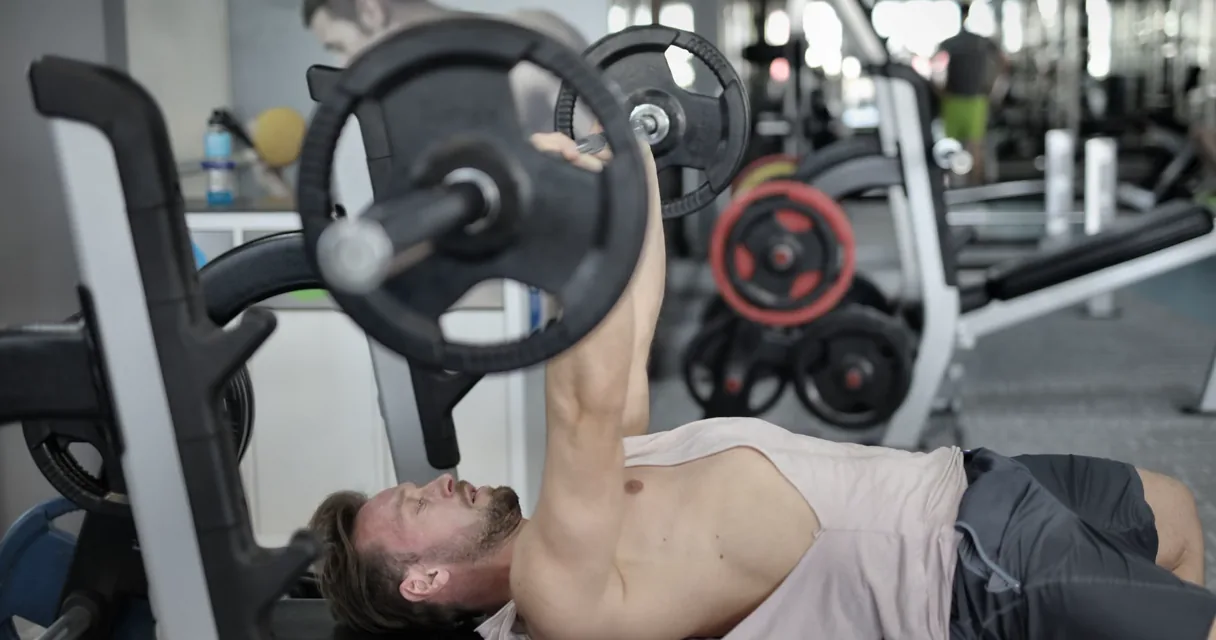
The close grip bench press is a useful answer when regular pressing builds fatigue faster than it improves your lockout. It lets you train a heavy horizontal press while giving elbow extension more work. That makes it a practical compound lift for triceps size, pressing strength, and a stalled final third of the bench press.
The name causes the main mistake. Close does not mean hands pressed together. An excessively narrow grip can bend the wrists, change the bar path, and turn a productive triceps movement into an uncomfortable one. A shoulder width grip is usually close enough to make the exercise work.
What the close grip bench press trains
A close grip bench press still uses the pecs, anterior deltoids, and triceps. The difference is relative, not absolute. Moving the hands inward increases the elbow range of motion and tends to make elbow extension more demanding, so the triceps often become the limiting area.
Do not expect a magical chest off and triceps on switch. Individual limb lengths, the exact grip, load, and elbow path all matter. The more useful question is whether you can perform stable, progressive sets with a technique that fits your goal.
| Goal | Best use of the exercise | Priority cue |
|---|---|---|
| Triceps hypertrophy | Secondary compound press after chest work | Control the lower and finish the lockout |
| Bench lockout strength | Specific accessory after main bench work | Repeat the same grip and pause position |
| General upper body size | Main press when it feels comfortable | Add reps and load gradually |
Set up a close grip that protects the wrists
Start around shoulder width
Place your hands at shoulder width or just inside it. At the bottom, aim to keep the forearms close to vertical when viewed from the front. This is a more useful check than copying a hand position from another lifter.
Wrap the thumbs around the bar and place the bar low in the heel of the palm. Stack the wrist above the forearm instead of letting the bar roll into the fingers. If the wrists extend sharply or the elbows drift far inside the hands, widen the grip slightly before adding load.
Build the same upper back position as a regular bench
Plant the feet, brace the trunk, and pull the shoulder blades back and down into a stable position. A close grip does not remove the need for a solid upper back. Ask for a lift off when possible so the unrack does not pull the shoulders out of place.
Lower the bar with control to a chest position that lets the wrists, elbows, and shoulders stay stacked. The exact touch point differs between lifters. A smooth rep with no bounce matters more than forcing a universal line.
Execute the repetition without turning it into an elbow test
Use a natural elbow path
Let the elbows travel closer to the torso than in a wide bench press, but do not glue them painfully to the ribs. Many lifters find a moderate tuck works well. The goal is a repeatable bar path, not an exaggerated pose.
Briefly touch the chest or use a short pause, then press up and slightly back toward the shoulders. Keep the bar balanced over the forearm as the elbows extend. If the elbows flare suddenly during the last third, lower the load and regain control.
Do not chase the same load as regular bench press
The narrower grip increases the bar path and changes leverage. It is normal to use less load than on your normal bench. Treating the close grip version as a test of ego is a fast way to lose the technique that makes it useful.
If your regular bench fails near lockout, use this lift with the diagnosis and programming framework in the bench press plateau guide. If it feels painful rather than hard, stop, assess the setup, and consider a machine or cable option instead.
Program close grip bench press for strength and muscle
Close grip bench press is demanding enough to count as real pressing volume. Most lifters do not need to add it on top of unlimited bench, dips, and triceps work. Start by replacing some existing pressing work rather than expanding every session.
| Situation | Sets and repetitions | Effort target |
|---|---|---|
| First exposure | 2 to 3 × 8 to 10 | Leave 2 to 3 repetitions in reserve |
| Triceps focused block | 3 to 4 × 6 to 10 | Leave 1 to 3 repetitions in reserve |
| Bench accessory | 3 to 4 × 4 to 8 | Smooth, technically identical reps |
| Lighter secondary work | 2 to 3 × 10 to 15 | Stop before elbows or wrists lose position |
Rest two to three minutes before hard sets. Then use double progression: keep the load stable, add repetitions within the range, and only add weight when every planned set reaches the top with the same setup. The progressive overload guide explains why repeating a measurable standard is more useful than changing the exercise every week.
For direct triceps size, pair the close grip press with a less fatiguing isolation movement. The triceps extensions guide can help you choose a cable or overhead variation that adds volume without asking your chest and shoulders to press again.
Four common close grip bench press mistakes
Taking close too literally
Hands together do not earn extra points. If the bar feels unstable or the wrists fold back, move the hands out until the joints stack naturally. Your most effective grip is the narrowest position that stays strong and comfortable, not the smallest visible distance.
Losing the upper back at the bottom
A tucked elbow does not protect a shoulder that is rolling forward. Set the upper back before the unrack, keep the chest stable, and reduce the range or load if the position disappears under fatigue.
Adding it without removing anything
A close grip bench can be an excellent accessory, but it still loads the chest, shoulders, and elbows. Count it toward weekly pressing work. If recovery is slipping, adjust total volume before adding intensity techniques. A planned deload week is often more productive than grinding harder.
Ignoring discomfort signals
Muscle effort and mild training fatigue are expected. Sharp pain, persistent joint pain, numbness, or a worsening ache are not cues to push through. Stop the set and seek qualified clinical advice when symptoms persist.
The practical verdict
Use the close grip bench press as a shoulder width, triceps biased compound press, not as an extreme wrist position. Keep the upper back stable, use a controlled touch, and let the load follow your technique instead of leading it.
Track grip, load, repetitions, RPE, and any joint feedback in GymLog. Consistent notes make it easier to see whether the movement is improving your triceps, your bench lockout, or simply adding fatigue.