Bayesian Curl vs. Incline Dumbbell Curl: Which Builds Biceps Better?
2026-09-10
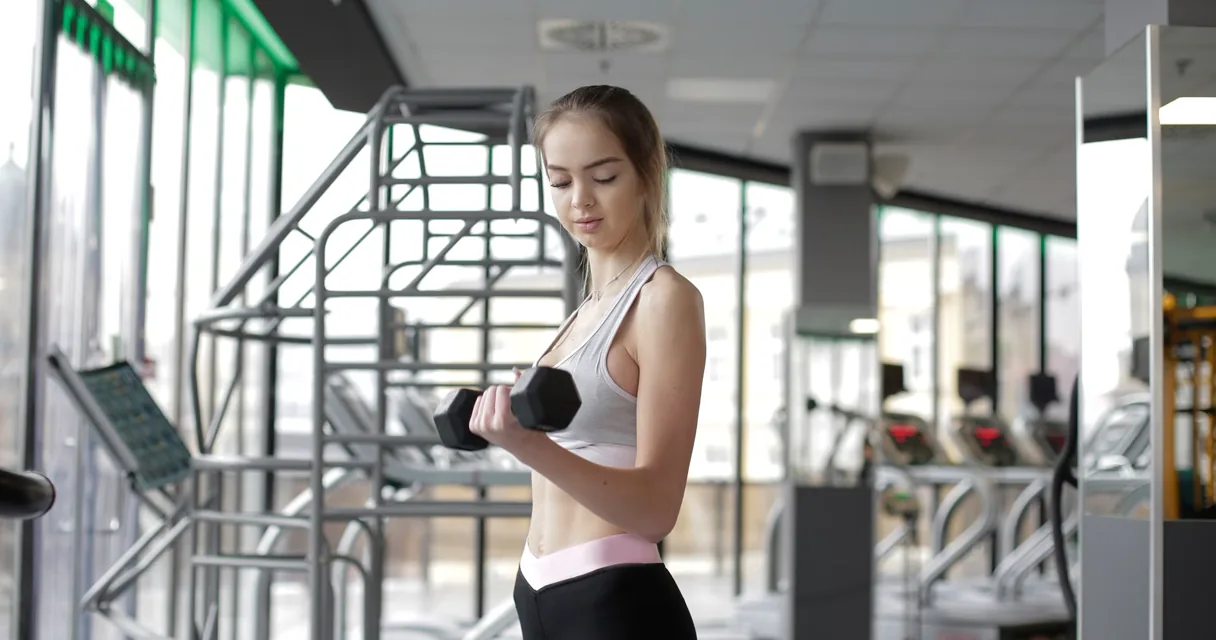
Bayesian curls and incline dumbbell curls are often presented as interchangeable biceps exercises. They are similar in one important way: both place the upper arm behind the torso, so the biceps begin each repetition at a relatively long muscle length. That makes both useful options when a standard standing curl feels too easy at the bottom.
The comparison becomes more useful when you look beyond labels such as constant tension or deep stretch. A cable and a dumbbell apply resistance in different directions, demand different amounts of setup and stability, and make progression easier in different ways. The best choice is the one you can perform with a full, repeatable range of motion and improve over time.
This guide compares the Bayesian cable curl with the incline dumbbell curl without pretending that one acute EMG reading can decide long term hypertrophy. You will learn how to set up each variation, when to use it, and how to program it beside your heavier curl work.
What both curl variations have in common
The biceps cross both the elbow and shoulder. Flexing the elbow curls the hand upward, while moving the upper arm behind the body lengthens the biceps at the shoulder. That is why a Bayesian curl and an incline curl can feel very different from a standing curl with the elbows at the sides.
A lengthened starting position can be valuable, but it is not a requirement to chase discomfort. The productive target is a controlled loaded range that your elbows and shoulders tolerate. If the front of the shoulder feels pinched, reduce the arm position behind the torso, lower the load, or choose another curl.
Do not confuse EMG with a hypertrophy verdict
Search results often claim that the exercise with higher activation is automatically superior. EMG can describe muscle activity during a specific repetition, but it cannot by itself predict which curl will build more biceps over months. Load, range of motion, proximity to failure, weekly hard sets, recovery, and consistency all matter.
For practical training, treat the two exercises as close alternatives with different mechanical strengths. Keep the one that lets you train the biceps hard with stable technique, then evaluate it by your logged repetitions, load, and joint comfort.
Bayesian curl: how the cable changes the rep
A Bayesian curl is usually performed one arm at a time from a low cable placed behind the body. Step forward until the cable pulls the arm slightly backward. From there, flex the elbow while keeping the upper arm quiet and the wrist comfortably neutral or lightly supinated.
The main advantage: tension near the bottom
With a dumbbell, gravity supplies very little elbow flexion resistance when the forearm hangs near vertical. A low cable can create meaningful resistance from the bottom because the cable pulls backward rather than straight down. For lifters who want to own the first part of a curl, that is the central reason to use the Bayesian variation.
The cable is not magic constant tension across every setup. Cable height, how far you stand from the stack, elbow position, and handle path all alter where the rep feels hardest. A small adjustment in stance can make a bigger difference than changing the exercise name.
Bayesian curl setup checklist
- Set a pulley near ankle height and attach a single handle.
- Face away from the stack and take one or two controlled steps forward.
- Keep the working upper arm slightly behind the torso, not forced far backward.
- Start with the elbow nearly straight while keeping the shoulder stable.
- Curl without letting the elbow travel forward or the torso rotate.
- Lower under control until the biceps are lengthened without shoulder discomfort.
Use a load that allows a quiet shoulder. If every repetition turns into a front delt movement or a torso twist, reduce the stack weight and shorten the stance before adding effort.
Incline dumbbell curl: simple loading with a clear standard
For an incline dumbbell curl, lie back on an incline bench with the arms hanging naturally. The upper arms rest behind the torso because of the bench angle. Curl the dumbbells while keeping the shoulders settled against the pad and lowering until the elbows are almost straight.
The main advantage: easy comparison from week to week
The incline dumbbell curl needs less cable positioning and gives a straightforward logbook target. Choose a bench angle, a dumbbell pair, and a rep range. When you reach the top of that range with controlled reps, use the next available dumbbell increment.
Dumbbells also allow each arm to work independently. That can expose a meaningful side to side difference, although a small difference in repetitions is normal. Do not turn every mismatch into a corrective project. Match the stronger arm to the weaker side rather than adding extra volume automatically.
Incline curl setup checklist
- Start with a moderate bench angle that lets the upper arms hang behind the torso comfortably.
- Keep the shoulder blades supported and avoid turning the curl into a shoulder roll.
- Begin each repetition from a controlled near straight elbow position.
- Curl through a pain free range and keep the wrist in a comfortable path.
- Lower for two to three controlled seconds instead of dropping the dumbbell.
A very steep bench or aggressively pulled back shoulders can make the bottom position needlessly uncomfortable. More stretch is not automatically more stimulus. Choose the deepest position you can repeat without compensating.
Bayesian curl vs. incline curl: the practical decision
Neither exercise needs to replace every other biceps movement. Both are accessories that work well after heavier pulling or after a more stable curl such as a preacher or cable curl. Your choice should match your equipment, skill, recovery, and the part of the repetition you need to improve.
| Question | Bayesian cable curl | Incline dumbbell curl |
|---|---|---|
| Bottom range resistance | Often easier to load deliberately | Usually lighter near the hanging bottom position |
| Setup | Requires cable position and a consistent stance | Requires a bench and dumbbells |
| Progression | Can use small stack increments | Limited by available dumbbell jumps |
| Stability | One arm at a time and cable position require control | Bench support makes torso position easy to reproduce |
| Best starting use | Lifters with a cable station who want bottom range tension | Lifters who want a simple long length dumbbell curl |
Choose the Bayesian curl when
Choose the Bayesian curl if you have reliable cable access, can repeat the same setup, and want resistance to feel present near elbow extension. It can also be a smart choice when dumbbell jumps are too large or when one arm needs focused work.
Choose the incline dumbbell curl when
Choose the incline curl if you value a quick repeatable setup, train in a busy gym, or prefer dumbbell loading. It is also useful when the cable path irritates the shoulder or the cable station makes your setup inconsistent.
A biceps plan that uses either variation
You do not need high volume on every curl pattern. Start with a manageable dose, make the repetitions hard and clean, then adjust only after you have enough sessions to judge the result.
Option A: one long length curl
- A heavier curl variation: 2 to 3 sets of 6 to 10 repetitions
- Bayesian curl or incline dumbbell curl: 2 to 3 sets of 8 to 15 repetitions
- Optional neutral grip curl: 1 to 2 sets of 10 to 15 repetitions
Keep most sets at roughly one to three repetitions in reserve. On a stable final set, technical failure can be an occasional tool rather than a rule. Our guide to training to failure for hypertrophy explains how to use that effort without exhausting the rest of your training.
Option B: alternate blocks instead of doing both
Use the Bayesian curl for four to six weeks, then use the incline dumbbell curl for the next block. Keep total hard biceps sets similar and compare your performance only within the same exercise. This avoids changing too many variables at once.
Track load, repetitions, estimated RIR, and any elbow or shoulder feedback. GymLog makes those comparisons easier when you want to see whether a new curl actually improves your training rather than only producing a new sensation.
Three mistakes that ruin both exercises
Letting the shoulder move forward
If the elbow travels far forward as you curl, the movement becomes easier and the upper arm is no longer in the position you selected. Keep the upper arm mostly still. A small natural movement is not a failure, but a large shoulder swing means the load is too heavy or the setup is poor.
Chasing the deepest possible stretch
A deep stretch can be productive only when you can control it. Do not force the shoulder behind the body or bounce out of the bottom. Use a range that feels muscular rather than sharp, unstable, or numb.
Changing exercises before you can progress them
A new cable angle every week makes progression impossible to interpret. Keep pulley height, stance, bench angle, rep range, and technique consistent long enough to earn a clear result. The principles in our progressive overload guide apply to small isolation lifts as much as to barbell training.
Final verdict
Bayesian curls and incline dumbbell curls are both effective long length biceps options. The Bayesian curl is particularly useful when you want cable resistance in the lower part of the repetition. The incline dumbbell curl is easier to set up, easy to standardize, and simple to progress when you have suitable dumbbell increments.
Choose one, perform it through a controlled pain free range, and progress it for several weeks before judging it. Download GymLog to record your curl setup, reps, RIR, and recovery notes so the next exercise decision is based on performance, not only on the pump.