Bench Press Plateau: How to Diagnose the Sticking Point and Start Progressing Again
2026-06-01
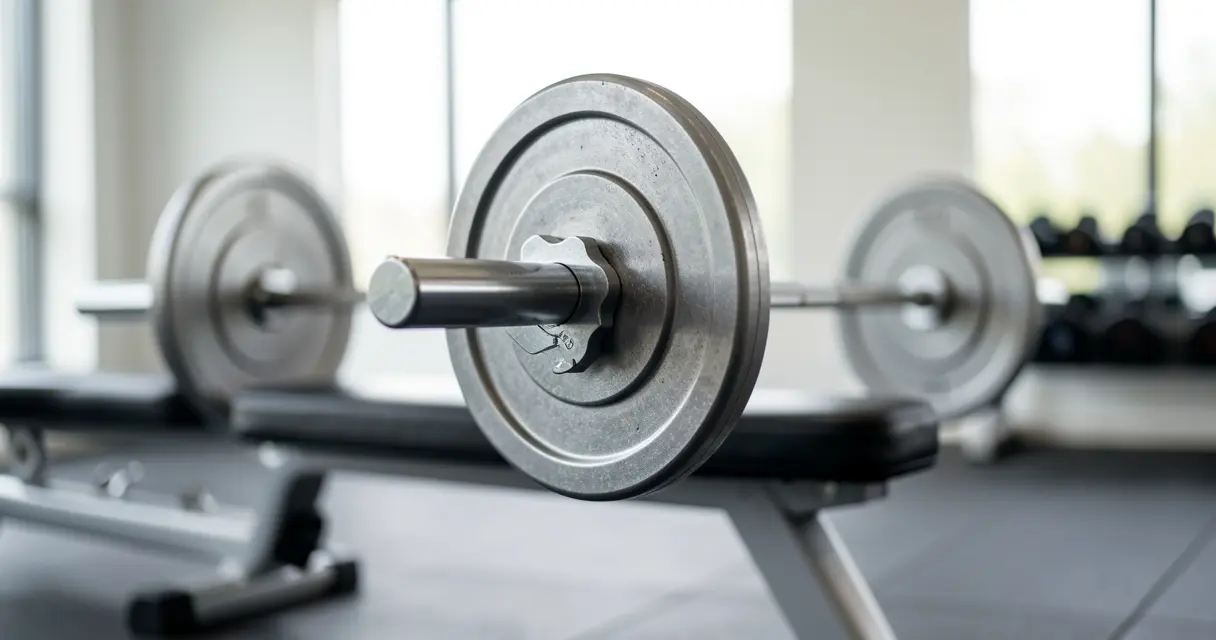
A bench press plateau is frustrating because it rarely feels dramatic. Your bar speed slows down, the same weight stops feeling crisp, and suddenly the lift that used to move every week has been stuck for a month. Many lifters respond by adding random sets, maxing out too often, or changing exercises every session. Most of the time, that only creates more fatigue.
The better approach is to treat the plateau like a diagnosis problem. Where does the bar slow down? How often are you benching? Are you recovering well enough to express strength? Once you answer those questions, the solution becomes much more specific.
This guide breaks down the main causes of a stalled bench press, the weak points that matter most, and a practical reset plan you can use right away.
Why the Bench Press Stalls So Easily
The bench press uses less total muscle mass than the squat or deadlift, so there is less room to hide technical errors. A small change in bar path, elbow position, scapular stability, or leg drive can cost you a rep. Because the range of motion is shorter, many lifters also assume that simply trying harder is enough.
In reality, stalled bench numbers usually come from one of five issues:
- Benching only once per week and not practicing the lift enough
- Repeating the same load, rep range, and tempo for too long
- Losing tightness on the chest or flaring the elbows too early
- Weak triceps, shoulders, or upper back relative to the load
- Carrying too much fatigue from hard training and poor recovery
If you have not yet mastered the basics of progression, revisit our complete guide to progressive overload. A bench plateau is often a sign that your overload strategy has become too predictable.
Diagnose Your Sticking Point First
Before changing your whole program, film your heaviest working sets from the side and from the front. The place where the bar consistently slows down tells you what to prioritize.
Stuck Off the Chest
If the bar barely moves after touching your chest, the most common culprits are poor tension at the bottom, weak pecs and front delts, or a lack of confidence with paused work.
Common signs:
- The bar sinks into the chest with no control
- Your wrists drift back and elbows lose position
- You rely on a bounce instead of pressing from a dead stop
Best fixes:
- Paused bench press for 3 to 5 reps
- Spoto press or dead stop pin press from the bottom
- Dumbbell bench press with a full controlled stretch
- Strict overhead pressing to build initial drive
Stuck in the Mid Range
If the bar leaves the chest but dies halfway up, the issue is often technical. This is the range where bar path, elbow flare, and upper back stability matter most.
Common signs:
- The bar drifts toward the face too late
- Your shoulders roll forward as the bar slows down
- Leg drive disappears after the first inch of the press
Best fixes:
- Film every top set and clean up the bar path
- Add a second weekly bench exposure for more practice
- Use an RPE target instead of forcing percentages on bad days
- Build a stronger upper back with rows, pull ups, and rear delt work
If you are new to autoregulation, our RPE scale guide will help you match the load to your real daily performance instead of guessing.
Stuck at Lockout
Missing the top third of the bench usually points to underdeveloped triceps or poor force transfer after the chest phase is already complete.
Common signs:
- The bar moves well early, then freezes near elbow extension
- You lose speed on rep three or four even when the setup feels strong
- Close grip pressing feels unusually weak compared with your regular bench
Best fixes:
- Close grip bench press
- Pin press from the sticking point
- Heavy dips if your shoulders tolerate them well
- High quality triceps isolation work
For direct arm work that actually carries over, read our triceps extensions guide.
Fix the Program Before You Add More Effort
Many plateaus are programming problems disguised as motivation problems. You do not always need more intensity. You usually need better distribution of stress.
Bench Twice Per Week
For most intermediate lifters, two bench sessions per week is a sweet spot. One day can be your heavy strength exposure, while the second builds practice, volume, and weak point strength.
A simple structure looks like this:
- Day 1: Bench press 4 to 5 sets of 3 to 6 reps at RPE 7.5 to 8.5
- Day 2: Paused bench press or close grip bench 3 to 4 sets of 5 to 8 reps at RPE 7 to 8
This keeps bench technique fresh without forcing maximal fatigue every session.
Use Small Jumps and Track Estimated Strength
A plateau often happens because the jump between sessions is too aggressive. Adding 2.5 kg every week sounds simple, but it stops working quickly. Microloading with smaller increases can keep progress moving for much longer.
Track the weight, reps, RPE, and estimated 1RM of every bench session. Trends matter more than a single good or bad workout. If your estimated strength is stable for two weeks but your bar speed is better, progress is still happening.
Deload Before You Change Everything
If you have pushed hard for six or more weeks, your plateau may just be accumulated fatigue. In that case, a deload is more useful than adding five new accessory lifts.
Good deload rules for bench:
- Reduce load by around 10 to 15 percent
- Cut total sets by 30 to 50 percent
- Keep the same exercises and practice clean technique
- Return the following week with normal volume
Do not underestimate recovery. Your bench press is heavily affected by sleep quality, shoulder irritation, and general stress. If recovery is the weak link, start with our sleep and muscle growth guide.
The Best Accessories for a Bigger Bench
Accessory work only matters if it matches the reason you are stuck.
For More Power Off the Chest
Prioritize exercises that force control in the stretched position:
- Paused bench press
- Spoto press
- Dumbbell bench press
- Strict overhead press
If your shoulders are lagging, use our shoulder exercise ranking to pick movements that build delts without wasting recovery.
For Better Mid Range Stability
Your upper back creates the platform that lets you press hard. A loose upper back makes every heavy bench look unstable.
Useful choices include:
- Chest supported rows
- One arm dumbbell rows
- Pull ups or lat pulldowns
- Rear delt flyes and face pulls
A stronger back improves scapular control, bar path consistency, and confidence under heavy loads.
For Stronger Lockout
When the last third is the problem, triceps volume becomes non negotiable.
Use movements such as:
- Close grip bench press
- JM press if your elbows tolerate it
- Overhead triceps extensions
- Cable pressdowns with controlled lockout
Pick one compound triceps variation and one isolation exercise, then progress them for at least four weeks instead of rotating too soon.
A Simple 4 Week Bench Plateau Reset
If your bench has truly been stuck, run this reset for one mesocycle:
Week 1
- Day 1: Bench press 5 x 5 at RPE 7.5
- Day 2: Paused bench press 4 x 4 at RPE 7
- Add rows, overhead press, and triceps work
Week 2
- Day 1: Bench press 4 x 4 at RPE 8
- Day 2: Close grip bench press 4 x 6 at RPE 7.5
- Keep accessories stable and focus on cleaner execution
Week 3
- Day 1: Bench press 5 x 3 at RPE 8 to 8.5
- Day 2: Paused bench press 3 x 5 at RPE 7.5
- Add one top single at RPE 8 before your work sets if technique is solid
Week 4
- Deload with 10 to 15 percent less load and about half the normal sets
- Review your videos, notes, and estimated 1RM trend
- Start the next block based on the weak point you identified
This plan works because it gives you more bench specific practice, more bottom end strength, and enough recovery to actually express adaptation.
Mistakes That Keep Lifters Stuck
Even a smart plan fails if these habits stay in place:
- Maxing out too often
- Missing reps in training every week
- Changing grip width and setup every session
- Ignoring shoulder discomfort until technique breaks down
- Adding accessories without removing fatigue elsewhere
Your best bench progress usually comes from repeating a few well chosen movements for several weeks, not from collecting novelty.
Conclusion: Precision Beats Random Effort
A bench press plateau is not proof that you have bad genetics or that you need an extreme program. It usually means one weak point, one recovery issue, or one programming mistake has gone unaddressed for too long.
Film your sets, identify where the bar slows down, bench often enough to improve the skill, and match your accessory work to the exact phase of the lift that fails. That is how plateaus stop being permanent.
Ready to track your bench with more accuracy? Download the GymLog app to log every set, monitor RPE, and see your estimated strength trend session after session.