How Long Should You Rest Between Sets for Hypertrophy?
2026-08-06
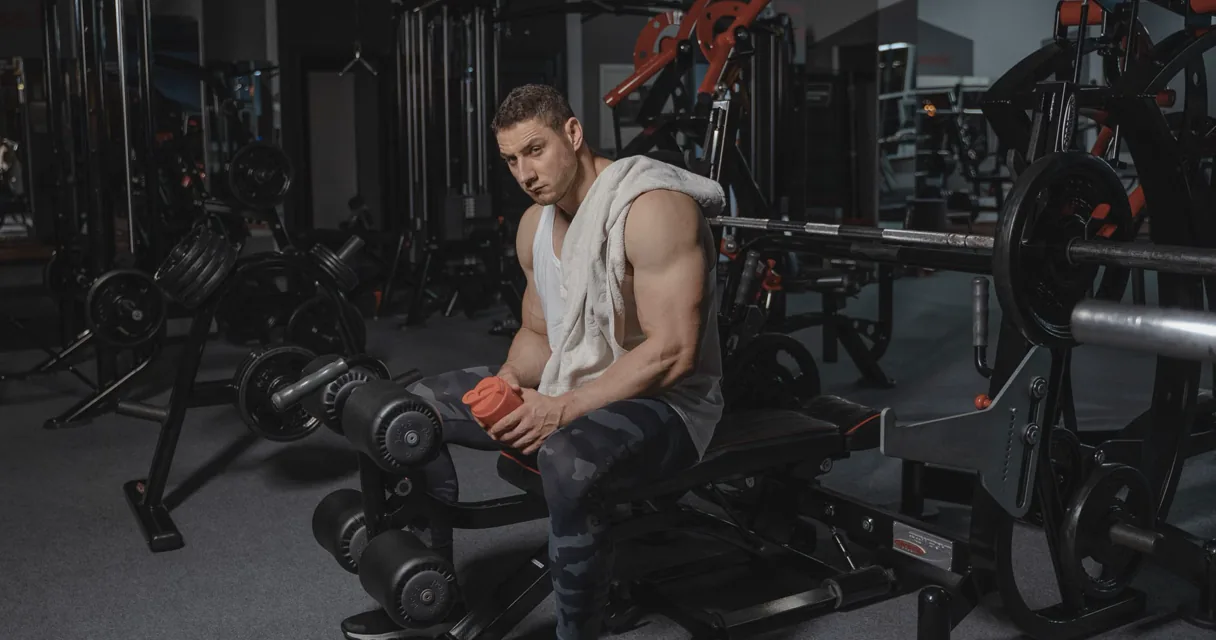
Rest between sets is one of the easiest training variables to ignore. Many lifters use a fixed 60 second timer for every exercise because it feels intense and keeps the workout moving. The problem is simple: a timer that is too short can turn later sets into lower quality work before the target muscle has received enough useful tension.
For hypertrophy, the goal is not to make every set feel breathless. The goal is to accumulate hard, controlled repetitions close enough to failure to challenge the muscle, then recover enough to do it again. Your ideal rest interval depends on the exercise, load, rep target, and how much fatigue the set creates.
The short answer: rest long enough to protect productive reps
For most hypertrophy work, these starting ranges are practical:
| Exercise type | Useful starting rest | Why |
|---|---|---|
| Heavy compound lifts, 5 to 8 reps | 2 to 3 minutes | Restores enough force and technique for the next hard set |
| Compound lifts, 8 to 12 reps | 90 seconds to 2.5 minutes | Balances session pace with repeatable output |
| Stable machine compounds | 90 seconds to 2 minutes | Lets the target muscle work hard without rushed setup |
| Isolation exercises, 10 to 20 reps | 60 to 90 seconds | Often enough when systemic fatigue is low |
| Very demanding leg sets | 2 to 3 minutes or more | Breathing and whole body fatigue can limit the next set |
These are starting points, not rules carved into stone. If a two minute rest lets you repeat the planned reps with the same range of motion and a similar RPE, it is doing its job. If you are fully ready after 75 seconds on cable curls, taking three minutes is rarely necessary.
Why rest intervals affect hypertrophy
A rest period changes the quality of the work that follows. Short rests create more local discomfort and can make a session feel dense, but they also reduce recovery of the energy systems and coordination needed for another hard set. On a challenging press, squat, row, or pulldown, that often means fewer repetitions, a lighter load, or a different technique.
Mechanical tension still needs repeatable performance
Muscle growth is strongly linked to doing enough hard work over time. A short rest is useful only if it helps your plan, rather than quietly lowering the number of quality repetitions you can perform. If set one is 10 good reps and the next two sets fall to 6 and 4 because the timer is too aggressive, the fatigue may be high while the useful training volume falls.
This is why longer rest can be productive for hypertrophy. It can preserve load, range of motion, and effort across multiple sets. The progressive overload guide explains why those repeatable improvements matter more than making every workout feel maximally exhausting.
Metabolic stress is not a reason to rush every set
Short rests increase the burn and metabolic stress. That can be useful, especially for isolation work, but it does not make a rushed set automatically superior. You still need a stable movement and enough effort from the target muscle. A cable lateral raise with 60 seconds of rest is very different from a hard set of barbell squats with the same timer.
Think of rest as a way to manage the stimulus to fatigue ratio. Use shorter rests when the exercise is safe, setup is simple, and performance remains solid. Use longer rests when the next set would otherwise become a cardio test or a technical compromise.
Choose rest by exercise, not by ego
Compound lifts usually need more time
Multi joint exercises train a lot of muscle at once and often ask for more balance, bracing, and grip. A hard set of bench press, chest supported row, leg press, pull ups, or overhead press can leave you limited by breathing and overall fatigue before the target muscle is ready for another productive effort.
Start with two minutes for compounds in the 6 to 12 rep range. Move toward three minutes when the set is heavy, close to failure, or technically demanding. You do not lose the hypertrophy effect by resting. You give yourself a better chance to make the next set count.
Isolation exercises can tolerate shorter rests
Curls, triceps pushdowns, leg extensions, calf raises, and lateral raises usually create less whole body fatigue. A 60 to 90 second interval often works well if your form stays controlled and the target muscle remains the limiting factor.
Shorter rests are not mandatory even here. If the first working set is near failure and the second set loses several repetitions, add 15 to 30 seconds before assuming you need a different exercise or more willpower.
Legs deserve a separate check
High effort leg training often needs a longer clock than upper body isolation. Squats, Romanian deadlifts, lunges, leg presses, and demanding leg curls can raise breathing and systemic fatigue sharply. Forcing a 60 second interval can make the next set worse even if your quads or hamstrings could have produced more after a little recovery.
Use a minimum of two minutes for difficult leg compounds, then adjust from there. A longer rest is especially sensible when training close to failure, using a large range of motion, or returning from a hard previous session.
Use performance to personalize your rest interval
The best rest period is long enough to make the following set useful and short enough to keep the session efficient. Instead of guessing, use this simple check for two weeks.
The repeatability check
Keep the same load and rep range for an exercise. After each set, record:
- repetitions completed;
- the estimated RPE or repetitions in reserve;
- whether range of motion and technique changed;
- the actual rest time.
If your target is three sets of 8 to 12 and you get 12, 10, and 9 reps at a similar effort, the rest period is probably serviceable. If you get 12, 8, and 5 despite using the same honest effort, try adding 30 seconds. Do not chase identical reps at all costs, but watch for a large early drop caused by a timer rather than the muscle itself.
A practical decision rule
- Begin with the table ranges above.
- Add 15 to 30 seconds when form changes, RPE rises sharply, or reps collapse earlier than expected.
- Keep the interval when output is stable enough to progress over several sessions.
- Remove 15 seconds only when the next set remains equally controlled and the saved time matters.
A rest interval is part of the program. Log it in GymLog alongside load and repetitions so you can see whether a change improved your session rather than relying on memory.
Rest time examples for a hypertrophy workout
Here is a straightforward upper body session with rest intervals matched to the movement rather than one universal timer:
| Exercise | Sets and reps | Suggested rest |
|---|---|---|
| Incline dumbbell press | 3 × 8 to 12 | 2 minutes |
| Chest supported row | 3 × 8 to 12 | 2 minutes |
| Lat pulldown | 3 × 10 to 12 | 90 seconds to 2 minutes |
| Cable lateral raise | 3 × 12 to 20 | 60 to 90 seconds |
| Cable curl | 2 to 3 × 10 to 15 | 60 to 90 seconds |
| Triceps pushdown | 2 to 3 × 10 to 15 | 60 to 90 seconds |
If you add a rest-pause set, its internal pauses are intentionally very short because the method is designed to extend one difficult set. That is different from rushing the recovery between normal working sets. Give yourself normal recovery before beginning the next exercise or demanding compound set.
Common mistakes with rest periods
Treating the timer as a test of toughness
Finishing a session quickly can be useful when time is limited. It is not automatically a better workout. If the timer forces lower loads, shortened range, and unstable repetitions, it is measuring impatience rather than training quality.
Resting by phone scrolling alone
Starting a timer is helpful, but a timer does not replace awareness. If your breathing is still uncontrolled after a difficult leg set, forcing the next set because the phone beeped may not serve the plan. Set a minimum rest interval, then take a short readiness check before a challenging compound movement.
Taking long rests without a purpose
Long rests are not magic either. If you take five minutes after easy cable curls and your next set is no better, the extra time only stretches the session. Match the recovery to the demands of the exercise.
Ignoring recovery outside the gym
A rest interval cannot fully compensate for poor sleep, a hard calorie deficit, or accumulated training fatigue. If every exercise feels unusually heavy, lower the session demand or adjust the plan. The sleep and muscle growth guide covers why recovery habits change your training output.
Final takeaway: use the shortest rest that preserves good work
There is no universal hypertrophy timer. Around 60 to 90 seconds can work well for simple isolation exercises. Most hard compound sets benefit from 90 seconds to three minutes, especially when you want to maintain load, technique, and productive repetitions.
Choose a rest period, log it, and judge it by the quality of your next set. Download GymLog to track rest intervals, RPE, and progression so your training decisions are based on a real record.