Pull Ups vs Chin Ups: Which Builds More Back and Biceps?
2026-09-24
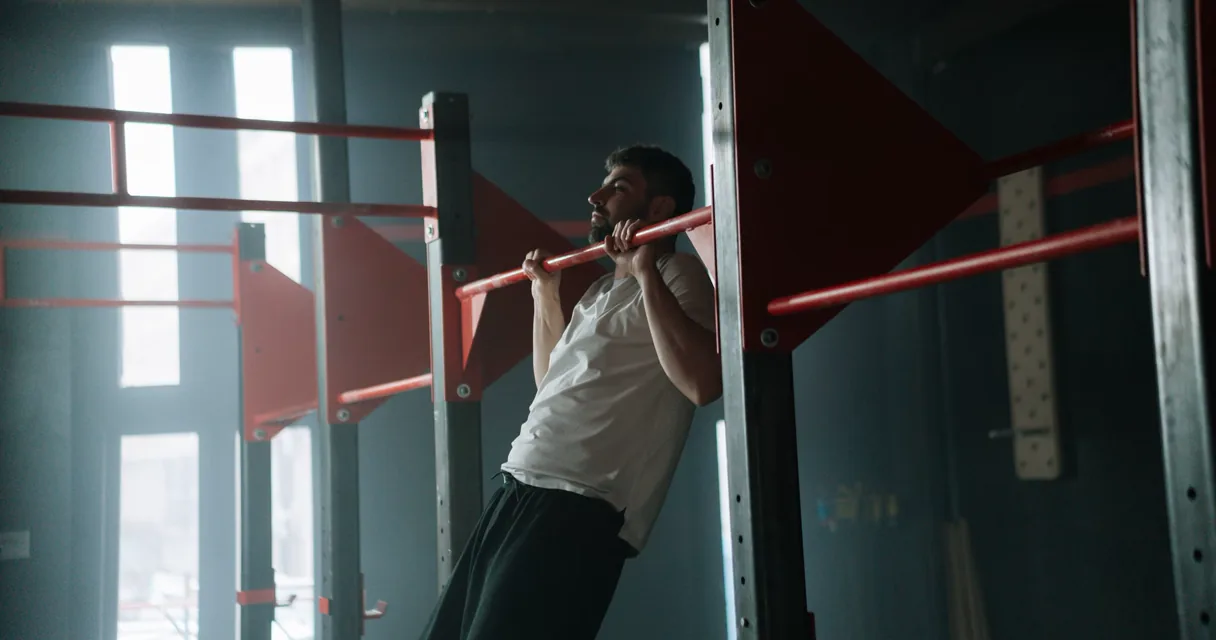
Pull ups and chin ups are often treated as two completely different exercises. One is said to build a wide back, while the other is said to be only for biceps. The distinction is useful, but it becomes misleading when it turns into a rule that tells you to avoid one movement.
Both are demanding vertical pulls. Both train the lats, upper back, biceps, forearms, and trunk while asking you to control your body through space. The practical difference is grip: pull ups use a pronated grip with palms facing away, while chin ups use a supinated grip with palms facing you. That change can alter comfort, perceived difficulty, and which muscles feel like the limiting factor.
For hypertrophy, the best choice is the variation that lets you use a repeatable range of motion, accumulate hard sets, and progress for months. This guide explains how to choose without confusing a short term muscle sensation or an EMG result with a universal answer.
The short answer
Use chin ups when the supinated grip feels comfortable, you want a strong elbow flexor contribution, or it lets you complete more strict repetitions. Use pull ups when the pronated grip is comfortable, you want to practice that specific skill, or it fits the rest of your back training better.
Neither variation automatically isolates a muscle. The lats remain major contributors in both movements, and the biceps still work hard during a pull up. Research on muscle activity can show small differences under test conditions, including greater biceps activity with chin ups in some studies, but it cannot predict who will build more muscle from one grip after a well programmed training block. Your execution, effort, volume, and progression matter more.
| If this describes you | Start with | Why |
|---|---|---|
| You cannot yet perform a strict repetition | Assisted chin up or pulldown | Resistance is easier to scale |
| Chin ups feel strong and pain free | Chin up | It may allow more quality repetitions |
| A supinated grip irritates the elbow or wrist | Pull up or neutral grip | Joint comfort is a real programming constraint |
| You want to improve a pull up test | Pull up | Specific practice matters |
| You already do many curls | Pull up or neutral grip | It can distribute arm stress differently |
What the grip changes and what it does not
Chin ups: palms facing you
A chin up usually uses a shoulder width or slightly narrower supinated grip. The elbows tend to travel in front of or close to the torso, and many lifters notice the biceps more clearly. The grip often makes bodyweight repetitions more accessible because the elbow flexors can contribute strongly.
That does not make a chin up a curl hanging from a bar. Your shoulder still extends and adducts as the elbows move down, so the lats, teres major, posterior shoulder, and upper back remain important. Keep the rib cage and pelvis controlled rather than turning the top half of each repetition into a dramatic backbend.
Pull ups: palms facing away
A pull up uses a pronated grip. The exact hand width varies, but an extremely wide grip is rarely necessary and can shorten the range you can control. A comfortable shoulder width to slightly wider grip is a sensible place to begin.
Pull ups often feel harder because the biceps may contribute differently and the wrist position is less favorable for some people. Harder does not automatically mean better for hypertrophy. If a variation makes you swing, shorten the range, or stop after very few repetitions, a chin up, assisted pull up, or lat pulldown can provide more productive work right now.
Do not let a grip become a muscle switch
Internet comparisons commonly claim that pronation turns on the lats and supination turns on the biceps. Real anatomy is less tidy. Both grips involve shoulder motion and elbow flexion. Grip changes the emphasis and the feel, but it does not remove either job from the movement.
A useful rule is simple: select the grip that allows your elbows to move smoothly, your shoulders to stay comfortable, and your repetitions to look similar from set one to set three. That is a better foundation than chasing a percentage from a single laboratory test.
Technique standards for more useful repetitions
Start from a controlled hang that your shoulders tolerate. You do not need to force a passive end range if it creates discomfort, but avoid beginning each repetition from a shortened position. Create light tension through the shoulder blades, then pull the elbows down toward your sides.
Aim to bring the upper chest toward the bar rather than craning the neck to win a chin over it. At the top, pause briefly if you can keep the shoulders organized. Lower under control until you return to your chosen bottom position. A full range is valuable only when you can own it without swinging or painful compensation.
Three errors that blur the comparison
- Kipping the body upward. A little natural movement is not a failure, but repeated leg kicks make load and repetitions impossible to compare.
- Changing grip every set. A new grip may be useful later, but it changes the task. Keep one variation long enough to measure progress.
- Forcing a painful wrist position. A supinated grip is not mandatory. Rings, neutral handles, or a pronated grip can be excellent alternatives.
If you struggle to keep the target muscles involved, use the mind muscle connection guide as a cueing tool, not as a reason to make the movement artificially slow or light.
Programming pull ups and chin ups for hypertrophy
Treat either variation as a compound lift. Most lifters benefit from two to four hard sets in a session, one or two times per week, alongside horizontal rows and direct arm work. Exact volume depends on your current back work, recovery, and experience.
A simple double progression plan
Choose one primary variation and use a range of 5 to 10 repetitions.
- Perform three working sets, stopping with about one to three repetitions in reserve.
- Add repetitions until every set reaches 10 with the same range and control.
- Add a small external load, then return toward the lower end of the range.
- Record grip, assistance or added load, repetitions, and RPE in GymLog.
If you cannot complete five controlled bodyweight repetitions, use an assistance machine, a band, or a pulldown. Assistance is not a shortcut. It is a way to train a useful path at an appropriate resistance. Build volume there, then practice a few low fatigue bodyweight repetitions early in the workout.
| Goal | First movement | Example work |
|---|---|---|
| First unassisted repetition | Assisted chin up | 3 × 6 to 10, plus low fatigue hangs |
| Back hypertrophy | Pull up or chin up | 3 × 5 to 10, then a row |
| Biceps and back balance | Chin up | 3 × 6 to 10, then two curl sets |
| Pull up skill | Pull up | 4 × 3 to 6, then pulldown volume |
Rest enough to make each set useful. Two to three minutes is a practical starting point for challenging bodyweight pulling. The rest between sets guide explains why rushed rest can reduce the quality of later work.
Can you use both variations?
Yes, but give each one a job. You might make chin ups the main lift for six weeks because they allow steady progression, then use pull ups for two lighter technique sets. Or you might train pull ups first for a performance goal and follow them with higher repetition chin ups only if your elbows recover well.
You do not need equal volume from both. Too many similar hard vertical pulls can make grip and elbow fatigue the limiting factor before the back receives better work. Start with one primary grip, track it for six to eight weeks, and add variation only when it solves a problem such as comfort, skill practice, or a clear volume need.
Final verdict
Pull ups and chin ups can both build the back and biceps. Chin ups may feel more arm dominant and are often easier to progress at first. Pull ups are a valuable skill and can fit perfectly in a back focused program. The better movement is not decided by the direction of your palms. It is the one you can train hard, control, and improve without irritating your joints.
Pick a comfortable grip, keep the range and setup consistent, and earn small improvements over time. Download GymLog to log assistance, load, repetitions, RPE, and notes so your next choice comes from your own progress rather than a gym myth.