Scapular Pull Ups: Build Better Pull-Up Control
2026-10-29
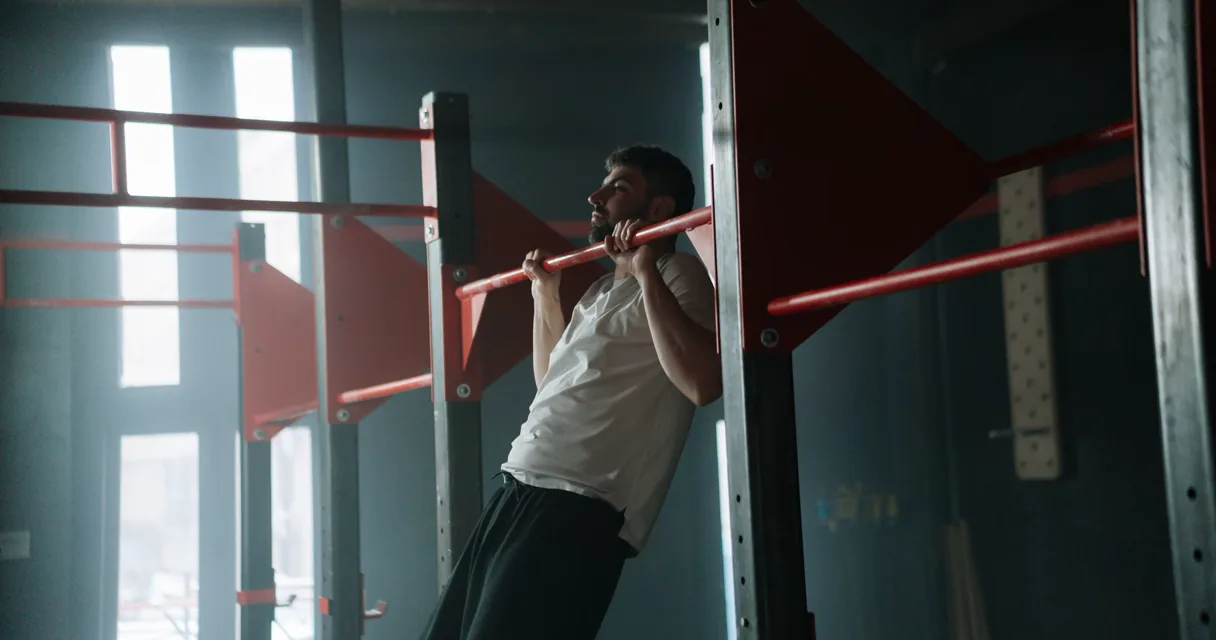
Scapular pull ups look almost too small to matter. Your elbows stay straight, your body rises only a few centimetres, and a full repetition can seem far less impressive than a chin over the bar. Yet this small drill can teach a useful part of vertical pulling: how to move from a relaxed hang into a controlled, active shoulder position.
That does not make scapular pull ups a secret lat-builder or a mandatory shoulder-health ritual. They are a skill drill. Used in the right dose, they can help a beginner understand the start of a pull up and help a more experienced lifter make the first rep more consistent. Used as a painful stretch or a high-rep burnout, they can become extra fatigue with little return.
What is a scapular pull up?
A scapular pull up is a hanging exercise performed with straight elbows. From a comfortable hang, you gently pull the shoulder blades down and slightly back, allowing the body to rise a small distance. Then you return under control. The shoulder blades move while the elbows remain extended.
The goal is not to force your chest to the bar. It is to practise shoulder-blade depression and control at the bottom of a vertical pull. Your lats, lower trapezius, upper back, grip, and trunk all contribute, but the exercise has a very short range and limited loading potential. Keep full pull ups, assisted pull ups, and pulldowns as the main tools for back hypertrophy.
| Exercise | Main job | Best use |
|---|---|---|
| Scapular pull up | Active-hang control with straight elbows | Warm-up drill or pull-up progression |
| Assisted pull up | Practise the full pulling path | Build clean repetitions before bodyweight work |
| Pull up | Full bodyweight vertical pull | Strength and back training when technique is stable |
| Lat pulldown | Adjustable vertical pulling volume | Add hard, repeatable back work |
For help choosing the main movement, see lat pulldown vs pull ups.
How to do a controlled scapular pull up
1. Start from a comfortable hang
Grip a secure bar at roughly shoulder width. Let your body hang quietly, with ribs and pelvis stacked rather than flaring the ribs forward. A fully passive hang is not required if it pinches or irritates the shoulder. Choose the deepest position you can own without discomfort.
2. Move the shoulders, not the elbows
Without bending the elbows, draw the shoulders away from the ears. Think about making the neck long while gently bringing the shoulder blades down toward the back pockets. Your body should rise only a little. Do not turn the drill into a tiny pull up by curling the elbows.
3. Pause, then return with control
Hold the active position for a brief moment, then allow the shoulders to return smoothly. Avoid dropping suddenly into the bottom. One clean repetition is a calm shift between two positions, not a shrug followed by a swing.
A phone video from the side can be more useful than adding repetitions. Look for straight elbows, a quiet torso, and shoulders that move without a large change in rib position.
Common errors and what to change
Bending the elbows
Elbow bend changes the drill into the first centimetres of a pull up. That is not automatically wrong, but it removes the reason to use a scapular pull up. Reduce effort and focus on keeping the arms long.
Shrugging toward the ears
Many people begin by lifting the shoulders upward. Instead, create a gentle depression: ears move away from shoulders. A huge range is not necessary. If you need to strain or cramp to create movement, make the drill easier with feet supported on a box.
Swinging or arching the back
A leg swing and a dramatic rib flare can make the body rise without better shoulder control. Lightly brace the trunk and pause between repetitions. The aim is repeatability, not height.
Treating discomfort as a mobility test
Scapular pull ups should not create sharp pain, tingling, or a feeling of instability. If hanging itself is uncomfortable, use a cable pulldown, assisted machine, or a supported drill instead. For persistent or acute shoulder symptoms, seek appropriate clinical advice rather than forcing more bar work.
Where they fit in a pull-up progression
Scapular pull ups are most useful when they solve a specific problem: you cannot find an active hang, your first pull-up rep starts with a shrug, or you need a low-fatigue way to practise the bottom position.
Before full pulls: learn the active hang
Perform two sets of five to eight controlled repetitions after a general warm-up. Rest about 45 to 60 seconds. Stop while the elbows stay straight and the shoulders still move smoothly. Then move to assisted pull ups or pulldowns for your actual training volume.
Between sets: reset technique, not fatigue
If the first rep of every pull-up set is messy, one or two slow scapular repetitions can remind you of the starting position. Do not add a full set between every hard set. Your grip and shoulders still need to be fresh for the movement that drives progress.
Progress to full-range vertical pulling
When you can hold an active hang comfortably and perform clean scapular reps, use an assisted pull up to connect that start position to a full elbow-driven pull. The pull ups vs chin ups guide can help you choose a grip that fits your wrists, elbows, and goal.
| Current ability | Scapular drill | Main vertical pull |
|---|---|---|
| Hanging feels unfamiliar | 2 × 5 with feet supported | Lat pulldown, 3 × 8 to 12 |
| Active hang is comfortable | 2 × 6 to 8 | Assisted pull up, 3 × 6 to 10 |
| A few strict pull ups are available | 1 × 5 as a primer | Pull-up practice, then pulldown volume |
| Pull ups are already strong | Optional 1 × 5 | Weighted pull ups or back-focused work |
Programming: keep the drill small
A useful scapular pull-up dose is usually two or three sets of five to ten repetitions, one to three times per week. Leave several repetitions in reserve. The drill should improve the next exercise, not exhaust the muscles and grip you need for it.
Progress quality before quantity. First own a pain-free hang, then make each repetition quieter, then add a one-second pause in the active position. Only add repetitions if every rep still looks the same. Record the variation, assistance, and comfort in GymLog alongside your main pulls.
For the work that actually develops the back, apply the same patient approach described in our progressive overload guide: choose a repeatable exercise, add clean repetitions or load gradually, and manage enough rest to keep the later sets useful.
The bottom line
Scapular pull ups are a simple drill for learning an active hang and a more controlled start to vertical pulling. They are not a substitute for full pull ups, rows, or pulldowns, and they do not need to appear in every session. Use them when they make your main pulling work better.
Keep the elbows straight, use a small comfortable range, and stop before the movement turns into swinging or straining. Download GymLog to log your hangs, assistance, pull-up repetitions, and notes so your progression is based on what becomes more controlled over time.