Hammer Curl vs Reverse Curl: Build Brachialis and Forearms
2026-10-19
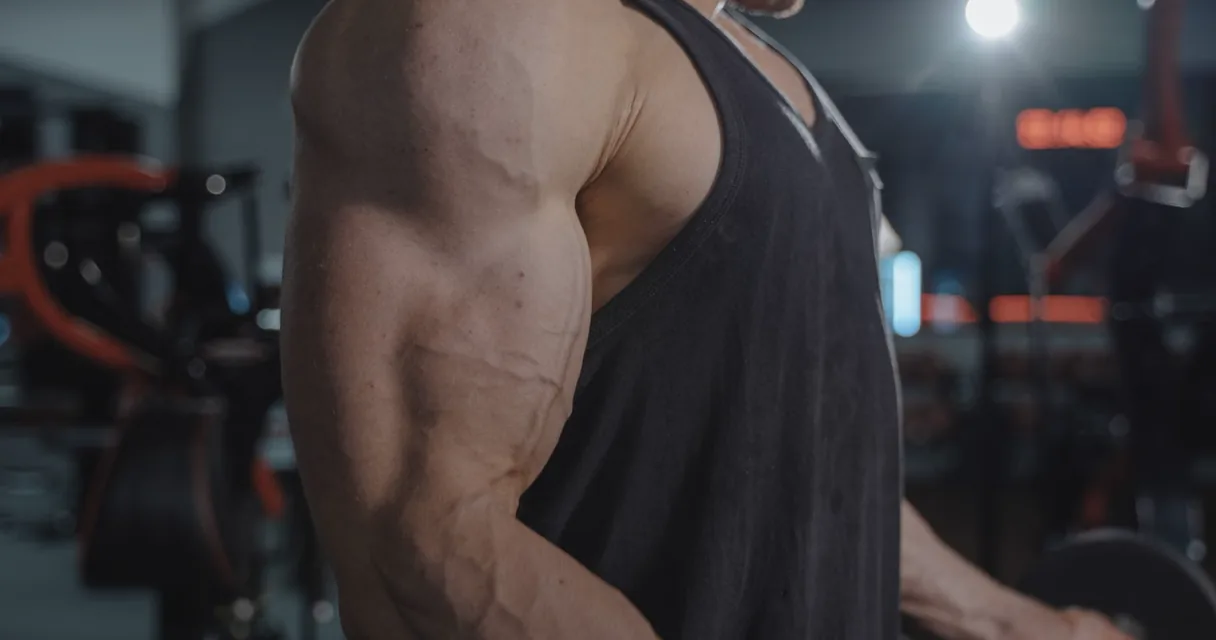
Hammer curls and reverse curls look similar because both bend the elbow without the fully supinated grip of a classic dumbbell curl. Yet the hand position changes what limits the set, how much load feels practical, and how much work the forearms receive. If your usual curl has stalled or your arms need more thickness from the side, this comparison makes exercise selection simpler.
Neither variation is a secret shortcut to a new muscle. Both are elbow flexion exercises that can train the biceps, brachialis, and brachioradialis. The useful question is which one lets you load a controlled range, keep the wrist comfortable, and progress for enough weeks to create a clear training signal.
The key difference is the grip
A hammer curl uses a neutral grip: the palms face each other. A reverse curl uses a pronated grip: the palms face down. That small rotation changes leverage for the biceps and places a different demand on the muscles around the forearm.
| Feature | Hammer curl | Reverse curl |
|---|---|---|
| Hand position | Neutral | Pronated |
| Common limiter | Elbow flexors or grip | Forearms, grip, or wrist extensors |
| Load potential | Usually moderate to high | Usually lighter |
| Equipment | Dumbbells, rope, cable, machine | EZ bar, straight bar, cable, dumbbells |
| Best role | Simple arm thickness and stable progression | Forearm focused elbow flexion and variety |
The biceps still contribute during both movements. Claims that one grip turns the biceps off are misleading. Grip changes emphasis and comfort, but it does not isolate a single muscle head. Your range of motion, effort, weekly volume, and recovery remain more important than a label on the exercise.
What the brachialis and brachioradialis do
The brachialis sits beneath the biceps and flexes the elbow regardless of whether the palm faces up, in, or down. Building it can add thickness between the biceps and triceps when the arm is viewed from the side. A neutral or pronated grip is often used because it reduces the mechanical advantage of a fully supinated biceps curl and asks the other elbow flexors to contribute strongly.
The brachioradialis runs from the upper arm toward the thumb side of the forearm. It helps flex the elbow and is especially relevant when the hand is neutral or pronated. That does not make a reverse curl a complete forearm program, but it explains why the exercise often makes the upper forearm fatigue before the upper arm does.
Avoid chasing a single muscle sensation
A strong forearm burn is feedback, not proof that an exercise is superior. Use it with performance data. If you can add clean repetitions or a small amount of load while your elbows and wrists stay happy, the variation is doing useful work. Our guide to progressive overload explains how to make that progress measurable.
Hammer curl: the practical default
Hammer curls are usually the easier choice for most lifters. A dumbbell or rope allows a comfortable neutral wrist, and many people can use more load than on a reverse curl without turning the movement into a wrist battle.
How to perform a hammer curl
- Stand tall with dumbbells at the sides and palms facing each other.
- Keep the upper arm near the torso instead of swinging the elbow forward.
- Curl until the forearm is close to vertical, without forcing the shoulder forward.
- Pause briefly, then lower under control until the elbow is nearly straight.
- Keep the wrist neutral rather than bending it back or curling it toward the palm.
A cross body hammer curl is another valid option. Curling toward the opposite shoulder can feel natural at the wrist and can reduce the temptation to raise both elbows together. Use the version you can repeat consistently rather than changing the path every session.
Reverse curl: a useful forearm focused tool
Reverse curls make a lighter weight feel demanding. The pronated grip can expose weak wrist extensors and grip strength, which is useful when those areas limit rows, carries, or pulling exercises. An EZ bar often feels friendlier than a straight bar because it lets the wrists use a slightly angled grip.
How to perform a reverse curl
- Hold an EZ bar, cable attachment, or dumbbells with palms facing down.
- Begin with the elbows close to the sides and wrists in a straight, neutral line.
- Flex the elbows without snapping the wrists upward.
- Stop when the forearms approach the upper arms and control the descent.
- Reduce load if the torso rocks, the wrists ache, or the elbows drift far forward.
Start lighter than you expect. The goal is not to prove that you can reverse curl a heavy bar. The goal is to accumulate controlled repetitions through a comfortable range. A cable reverse curl can be especially useful when a bar path bothers the wrists.
Which exercise should you choose?
Choose hammer curls when you want a stable curl that is easy to load, have limited wrist tolerance, or need a simple accessory after pulling. They pair well with a supinated curl such as the Bayesian curl or incline dumbbell curl, which gives the biceps direct work in a different arm position.
Choose reverse curls when forearm development, grip resilience, or exercise variety is the priority. They are also useful when regular curls feel repetitive and you can keep the wrist position controlled. If forearm fatigue stops every set long before the elbow flexors work hard, use a lighter load or keep reverse curls as a smaller accessory rather than your main biceps movement.
A simple arm training plan
You do not need both variations in every workout. Pick one for four to six weeks, track it, and decide from results instead of novelty.
| Goal | Main curl | Accessory | Sets and repetitions |
|---|---|---|---|
| General arm size | Supinated dumbbell or cable curl | Hammer curl | 2 to 3 sets of 8 to 15 each |
| Forearm emphasis | Hammer curl | Reverse curl | 2 to 3 sets of 10 to 15 each |
| Limited equipment | Dumbbell hammer curl | Cross body hammer curl | 3 sets of 10 to 20 |
Keep most sets around one to three repetitions in reserve. Isolation work can be trained hard, but a sloppy final repetition is not extra stimulus. The principles in our article on high reps versus low reps for hypertrophy can help you choose a range that matches your equipment.
Common mistakes that reduce the benefit
Loading the wrist instead of the elbow flexors
A reverse curl should not become a wrist curl. Keep the knuckles aligned with the forearm. If the wrist folds back, lower the load and regain control.
Swinging the shoulders forward
A small amount of natural movement is normal, but a large elbow swing turns a curl into a partial front raise. Use a load that lets the upper arm remain mostly quiet.
Adding endless variations
Switching grips every week makes it difficult to judge progress. Keep the same setup, rep range, and exercise order long enough to learn whether it is working.
The bottom line
Hammer curls are the versatile, easy to progress choice for many arm programs. Reverse curls are a valuable lighter accessory when forearm and grip demand are welcome. Both can support brachialis development, but neither needs to replace regular biceps curls completely.
Choose the variation that feels stable at the wrist, train it with a controlled range, and record your load, repetitions, and effort in GymLog. Download GymLog to turn a good arm exercise into a repeatable progression plan.