Dumbbell Pullover vs Straight Arm Pulldown for Lats
2026-10-22
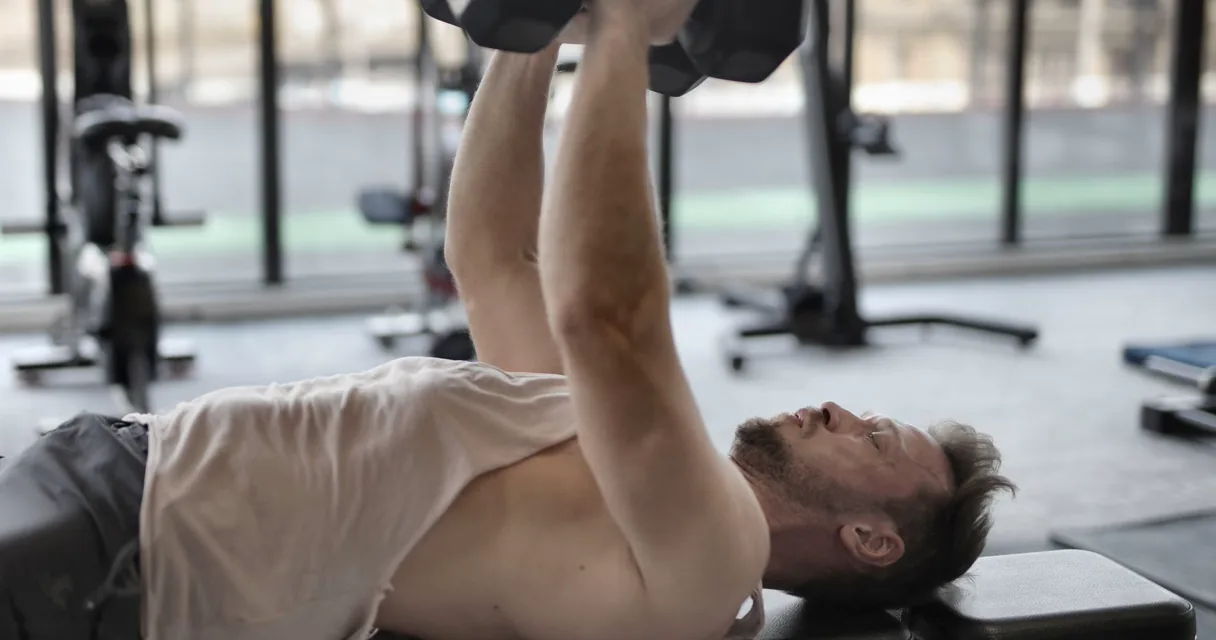
Dumbbell pullovers and straight arm pulldowns are often placed in the same lat workout slot: both move the upper arm toward the torso while the elbow stays almost straight. The movements can feel very different, however. One uses gravity and an overhead arc on a bench, while the other uses a cable and a standing pull toward the thighs.
Neither exercise is a magic lat builder or a substitute for a row and a vertical pull. The useful comparison is practical: which option lets you train a comfortable shoulder range, keep the elbows nearly fixed, and add high quality repetitions over time? This guide explains the resistance profile, technique, and programming of each movement.
Quick answer: choose the exercise you can control and progress
A dumbbell pullover is a simple option for a home gym or for lifters who enjoy an overhead shoulder position. It is generally hardest when the dumbbell is far behind the chest, where the load has a longer lever arm. A straight arm pulldown can provide resistance earlier in the pull and is easy to adjust one small plate at a time on a cable stack.
| Situation | Useful first choice | Why |
|---|---|---|
| Home gym with a bench and dumbbell | Dumbbell pullover | Minimal equipment and simple setup |
| Commercial gym cable stack | Straight arm pulldown | Easy load changes and a stable standing position |
| Overhead range feels uncomfortable | Straight arm pulldown | The start angle can be adjusted without forcing depth |
| Cable setup is unavailable | Dumbbell pullover | A practical lat accessory with no machine |
| You lose elbow position when standing | Dumbbell pullover | The bench can reduce lower body movement |
The best choice is not decided by a larger stretch sensation or by the word constant tension. A productive accessory is one you can repeat with a stable torso, a pain free shoulder path, and measurable progression.
What both exercises train
The lats extend the shoulder, meaning they help bring the upper arm from an overhead position toward the body. The long head of the triceps and other muscles around the shoulder also assist, especially if the elbow bends or the load is heavy. That is why a lat sensation is useful feedback, but it is not proof that one muscle works alone.
Both exercises use much less elbow flexion than a pulldown or row. Keep that distinction clear when building a back program. Pull ups, pulldowns, and rows provide the main work for many lifters because they can be loaded hard and trained through repeatable paths. Pullovers and straight arm pulldowns work best as accessories that add lat focused volume without making the biceps the limiting factor.
For a main vertical pull, compare the lat pulldown and pull up. For a broader exercise menu, use our guide to back exercises for hypertrophy.
Dumbbell pullover: an overhead lat accessory
With a dumbbell pullover, gravity pulls the dumbbell downward. When the weight moves behind the head, the shoulder flexes and the lever arm increases. This usually makes the deepest comfortable part of the movement demanding. As the dumbbell returns above the chest, the external challenge becomes smaller.
How to perform a dumbbell pullover
- Lie across or along a stable flat bench with both feet planted firmly.
- Hold one end of a dumbbell above the chest with a light bend in the elbows.
- Lower the dumbbell behind the head only as far as the shoulders remain comfortable and the ribs do not flare excessively.
- Pull the upper arms back toward the chest without turning the repetition into an elbow extension.
- Pause with control, then repeat with the same depth and tempo.
A deeper range is not always a better range. If the shoulders pinch, the lower back arches hard, or the elbows bend more on every repetition, reduce the depth or choose a cable. A controlled range that you can own is more valuable than chasing a dramatic stretch.
Straight arm pulldown: cable tension and easy adjustments
A straight arm pulldown uses a high pulley, usually with a rope or straight bar. The cable gives the exercise resistance throughout much of the pull, although the exact challenge still depends on your body position and cable angle. Step farther from the stack to begin with the arms higher, or step closer when the shoulder start position needs to be less demanding.
How to perform a straight arm pulldown
- Set a cable attachment above head height and face the stack.
- Take a small step back, soften the knees, and brace the ribs over the pelvis.
- Start with the arms raised in front of the body and elbows slightly bent.
- Pull the upper arms down and back toward the thighs without rocking the torso.
- Return slowly until the lats lengthen without losing rib position or shoulder comfort.
Think about moving the upper arms rather than pushing the handle down with the hands. If the elbows keep bending, lower the load. If the low back swings or the shoulders shrug at the top, shorten the range slightly and use a quieter torso.
Which resistance profile fits your training?
The pullover places its biggest external challenge in the overhead part of the arc. This can be appealing when you tolerate that position well and want a simple way to train shoulder extension at home. The cable variation usually feels more evenly loaded through the pull and may make it easier to stop at the angle that suits your shoulders.
Neither profile guarantees more hypertrophy. There is no need to force a single exercise to cover every possible lat function. Choose the version that improves your execution, then let rows and vertical pulls cover the larger part of your back training.
Use performance data, not only sensation
A strong lat stretch or pump can make an exercise feel convincing, but results need a longer view. Keep one setup for four to six weeks. Track load, repetitions, range, and effort in GymLog. If a movement lets you add a clean repetition, use a slightly heavier load, or improve control at the same load, it is earning its place.
Our progressive overload guide explains how to make those small changes count. When fatigue is high after rows and pulldowns, the RPE scale guide can help you keep accessory sets hard without turning them into sloppy sets.
Programming pullovers and straight arm pulldowns
Use either exercise after a main row or vertical pull. Start conservatively because both movements can challenge the shoulders when fatigue changes your position. Two to four hard sets per week is enough for many lifters, with most sets stopped around one to three repetitions in reserve.
| Goal | Exercise order | Sets and repetitions | Progression |
|---|---|---|---|
| Learn the pattern | After a pulldown or row | 2 to 3 sets of 12 to 15 | Add repetitions before load |
| Lat focused accessory | After main back work | 3 sets of 8 to 15 | Add a small load at the top of the range |
| Home back training | Dumbbell pullover after rows | 2 to 4 sets of 10 to 20 | Add repetitions or use a slightly heavier dumbbell |
| Limited shoulder tolerance | Straight arm pulldown with shorter start range | 2 to 3 sets of 12 to 20 | Improve range only while staying comfortable |
A simple back session might include a vertical pull, a row, and then one of these accessory movements. For example, do three sets of lat pulldowns, three sets of chest supported rows, and two or three sets of straight arm pulldowns. You do not need every back exercise in one session.
Common mistakes
Turning the exercise into a triceps movement
A slight elbow bend is normal and often comfortable. Repeatedly bending and straightening the elbow changes the movement into an extension. Reduce the load and keep the elbow angle nearly unchanged so the shoulder does the main work.
Forcing the deepest overhead position
More range is useful only when the shoulder, ribs, and torso remain controlled. Do not force the dumbbell far behind the head or start the cable pull from an uncomfortable angle just to create a stretch sensation.
Using the torso to move the cable
A straight arm pulldown should not become a standing body swing. Keep the ribs stacked, use a modest knee bend, and lower the weight if the hips begin to drive every repetition.
Replacing all rows and pulls with accessories
Pullovers and straight arm pulldowns can complement a program, but they do not remove the need for compound back work. Keep a row and a vertical pull in the plan when your goal is balanced back development.
The bottom line
Dumbbell pullovers are a useful low equipment accessory with a challenging overhead portion. Straight arm pulldowns offer cable resistance, flexible setup, and easy incremental loading. Neither option automatically builds more lat muscle, but both can add high quality shoulder extension work to a complete back program.
Choose the variation that keeps your shoulders comfortable and your repetitions consistent. Log the exercise, load, repetitions, and RPE in GymLog for several weeks, then let real progression guide the next adjustment.