Strava Enters Strength Training: Muscle Maps, Workout Logs, and What It Means for Lifters
2026-05-23
Strava, the platform synonymous with cycling segments and half-marathon bragging rights, is making its biggest move into the weight room yet. On May 21, 2026, the company — now counting 195 million users across 185 countries — announced a complete overhaul of its strength training experience.
For years, lifters who also ran or cycled had to accept that their gym sessions would appear on Strava as second-class activities — a bare-bones entry with a duration, maybe a heart rate graph, and none of the rich data their running friends enjoyed. That's changing.
Here's everything new, why Strava is doing it, and what it means for the strength training community.
What's New: The Four Pillars of Strava's Strength Overhaul
1. Muscle Maps
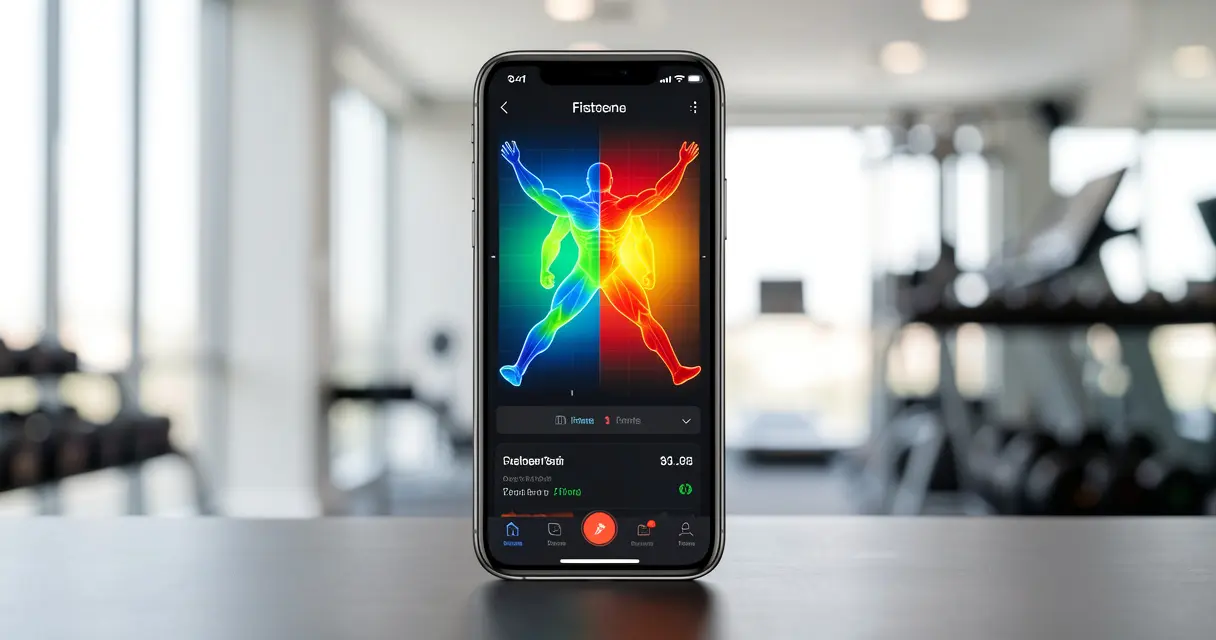
The most eye-catching addition is the "muscle map" — a visual representation of which muscle groups were targeted during your workout. Think of it as the lifting equivalent of Strava's iconic route maps, but instead of tracing a path through the Alps, it highlights your quads, chest, or deltoids based on the exercises you logged.
The maps are auto-populated, meaning the system identifies muscle activation from your logged exercises and displays them as a heatmap overlay on a human silhouette. It's designed to make strength data as visually shareable as a ride map.
2. Dedicated Workout Log
Strava now includes a purpose-built log for strength training, tracking sets, repetitions, and weight over time. This is a significant upgrade from the previous experience, which treated a strength session as a simple timed activity with a notes field. You can now see your volume progression across sessions — a fundamental feature lifters expect from any serious training tracker.
3. 14 Partner Integrations
Strava isn't trying to replace your lifting app. Instead, it's building bridges. The 14 launch partners include:
- Wearables: Garmin, Whoop, Coros, Amazfit
- Dedicated lifting apps: Hevy, JEFIT, Caliber, Liftoff
- Training platforms: Runna, iFIT, Motra
If you already track your workouts in Hevy or JEFIT, that data will now flow automatically into Strava. The company has also updated its developer tools, suggesting more integrations are on the way.
4. Five New Shareable Formats
Mirroring the social DNA that made Strava a phenomenon among endurance athletes, five new visual formats are designed specifically for strength workouts. These go beyond the standard activity screenshot, giving lifters ways to showcase their work — whether it's a volume PR, a muscle map, or a weekly training summary.
Why Now? The Numbers Behind the Move
Strava's push into strength training isn't random. According to the company's press release, strength training is one of the fastest-growing activity types on the platform. This aligns with broader fitness trends: hybrid training — combining endurance work with resistance training — has exploded in popularity, and the lines between "runners," "cyclists," and "lifters" are increasingly blurred.
The January 2026 launch of Instant Workouts already hinted at this direction. Among the personalized activity recommendations, Running and Weight Training stood out as the most popular categories, with 85% positive feedback on the suggestions. The appetite was clearly there.
What It Means for Lifters
The Good
For hybrid athletes, this is genuinely useful. Having your runs, rides, and lifting sessions in a single ecosystem reduces app fatigue. The muscle maps make it easier to visualize training balance, and the partner integrations mean you don't have to abandon your preferred lifting app.
The workout log, while basic compared to specialized tools, covers the essentials: sets, reps, and weight progression tracked over time. For someone lifting two to three times a week alongside cardio, it's likely sufficient.
The Limitations
Strava's strength features are broad, not deep. Here's what you won't find:
- Exercise-specific progression graphs: Strava shows total volume, not how your bench press or squat is trending individually.
- Rest timers and workout builders: Dedicated apps offer structured workout creation with built-in rest periods between sets.
- Program templates and periodization: Progressive overload planning — adjusting reps, sets, and weights across weeks — isn't part of Strava's scope.
- Exercise libraries with form guidance: Strava logs exercises but doesn't teach you how to perform them.
- AI-powered recommendations: Apps like GymLog provide intelligent workout suggestions based on your history, available equipment, and goals — a level of personalization Strava doesn't replicate for strength.
As the fitness tech blog The5kRunner noted in their analysis: "The strength-first apps tend to be better than anything the sports watches offer." Strava's strength features are an excellent aggregation layer, but they're not replacing dedicated lifting apps — at least not yet.
The Bigger Picture: Convergence Is Coming
Strava's move is part of a larger trend. Garmin, Apple, and Whoop have all expanded their strength tracking capabilities. Garmin's presence on Strava's integration list is particularly telling — the platforms and hardware are converging on the gym from multiple directions simultaneously.
For strength athletes, this convergence means more choice and better data portability. You can log in your preferred app, train with your preferred watch, and still have everything visible in one place.
But it also raises a question: as generalist platforms add strength features, do dedicated lifting apps become more valuable by going deeper, or less valuable by being more niche? The answer likely depends on how seriously you train. A casual lifter doing two sessions a week may find Strava's new features perfectly adequate. Someone running a structured progressive overload program will quickly hit the ceiling.
Bottom Line
Strava's strength overhaul is smart, well-timed, and genuinely useful for the millions of hybrid athletes who've been awkwardly logging their gym sessions alongside their 5K times. The muscle maps are visually clever, the partner integrations are pragmatic, and the workout log closes a glaring gap.
But for dedicated lifters — the kind who track exercise-specific progression, plan mesocycles, and want intelligent workout recommendations — a specialized app like GymLog remains the better tool. Strava aggregates your training data; GymLog optimizes it.
The two aren't competitors. They're complementary. And that's probably exactly how Strava designed it.