7 Reasons to Hire a Personal Trainer and Stop Winging It at the Gym
2026-06-07
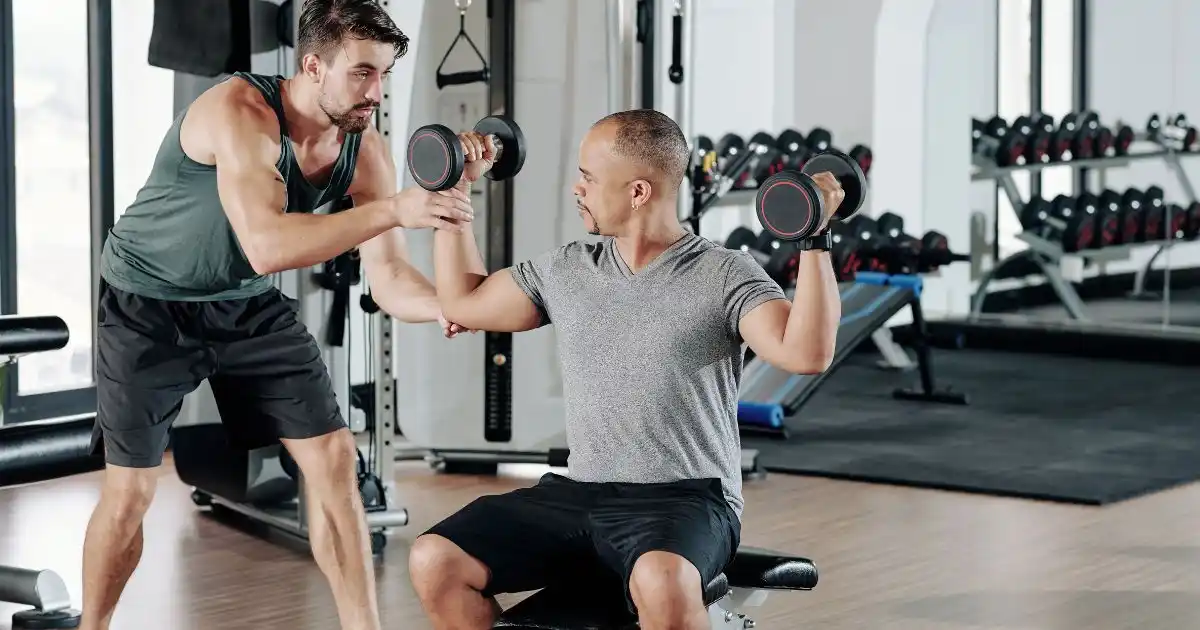
Hiring a personal trainer is one of the fastest ways to improve training quality. It is not only about motivation or accountability. A good coach helps you train with better structure, cleaner technique, and clearer feedback, which usually means better results over time.
If you have spent months repeating the same workouts without progress, dealing with recurring discomfort, or wondering whether your program actually fits your goal, personalized coaching can make a real difference. Coaches such as Dani Yanes in Barcelona have built their reputation on exactly that combination of structure, technique, and consistency.
At the same time, progress is easier to manage when training data is tracked properly. Tools like GymLog help you record loads, sets, reps, and notes so both you and your coach can make decisions based on real sessions instead of vague impressions.
1. Structured progression instead of random workouts
The body adapts quickly. If every week looks the same, results usually slow down just as quickly. A personal trainer builds a periodized plan where each session has a purpose inside a broader progression.
That means volume, intensity, exercise selection, and recovery are adjusted intentionally. Instead of copying a generic routine from social media, you follow a plan that matches your level, schedule, and recovery capacity.
If you want to understand why this matters, read our complete guide to progressive overload. A trainer turns those principles into a plan you can actually follow week after week.
2. Better technique from day one
Many gym injuries do not start with extreme loads. They start with poor movement quality repeated for months. A personal trainer corrects those patterns early, before they become chronic pain or stubborn plateaus.
Learning a clean squat, deadlift, or bench press usually takes much longer than most people expect. Real time feedback helps you fix compensations faster, improve positioning, and understand what correct execution should feel like.
This is especially valuable when training intensity increases. Better technique does not only reduce injury risk. It also improves performance because force is applied more efficiently.
3. Injury prevention and smart adaptation
Every trainee brings a different history into the gym. Some have sensitive shoulders, some struggle with knee pain, and others sit for long hours and arrive with stiff hips and a tired lower back. Ignoring those limits rarely works.
A skilled trainer evaluates your history, your mobility, and your exercise tolerance. Then they adapt movements, loading strategies, and weekly volume so you can keep progressing without constantly aggravating the same weak points.
That kind of personalization matters even more when your goal is long term consistency. Missing two months because of a preventable injury is always more expensive than getting better guidance from the start.
4. Real accountability, not empty motivation
Motivation changes from week to week. Accountability is more reliable. When someone is waiting for you with a planned session, it becomes much harder to skip training because of stress, laziness, or indecision.
The best coaches do more than push harder. They know when to increase intensity and when to scale a session back because fatigue, sleep, or life stress is already high. That balance is what makes coaching sustainable.
For many people, this is the hidden value of personal training. It turns training from a vague intention into a concrete appointment and a repeatable habit.
5. Better results in less time
A personal trainer removes a surprising amount of wasted time. There are fewer useless exercises, fewer long breaks, and fewer sessions that do not fit your actual goal.
| Training without guidance | Training with a personal trainer |
|---|---|
| Repeating the same routine for months | Planned progression with measurable changes |
| Long breaks and irregular pacing | Better session density and focus |
| Exercise choices based on guesswork | Exercises chosen for your goal and level |
| Frequent plateaus | Continuous adjustments when progress slows |
| Injury risk managed too late | Limitations addressed early |
In practice, three well planned sessions often outperform five improvised ones. Quality beats noise, especially when recovery is limited.
6. Nutrition support improves the whole process
Training is only part of the equation. Without adequate nutrition, even a strong program underdelivers. Many personal trainers either provide basic nutritional guidance themselves or work inside a system that includes it.
That does not have to mean a restrictive meal plan. It can simply mean setting protein targets, adjusting calories to the goal, organizing meals around training, and reviewing adherence over time.
When training and nutrition support each other, progress becomes easier to sustain. The result is often better body recomposition, steadier performance, and fewer weeks lost to inconsistency.
7. Measurable results and continuous adjustments
Good coaching is not based on guesswork. It is based on observation, tracking, and regular adjustments. A trainer who measures progress can spot a plateau early and change the plan before frustration builds.
This is where tracking becomes powerful. If you log your sessions in GymLog, your coach can review loads, reps, RPE, and notes instead of relying on memory. That makes weekly adjustments much more precise.
If daily readiness fluctuates, our RPE guide for strength training can help you understand how better auto regulation supports long term progress.
What changes when you train with a professional
A personal trainer does not magically do the work for you. What they do is shorten the distance between effort and results. Better programming, cleaner technique, smarter recovery, and real accountability all move in the same direction.
You will also get more value from the rest of your routine when recovery is handled correctly. Our sleep and muscle growth guide explains why recovery quality often determines whether good programming actually pays off.
If you are tired of improvising, this is the real value of coaching: more clarity, fewer mistakes, and a far more efficient path toward your goal.
Ready to make that progress visible? Track every workout in GymLog and turn each session into useful data for your next training decision.