Padel and performance: why structured practice leads to better results
2026-05-26
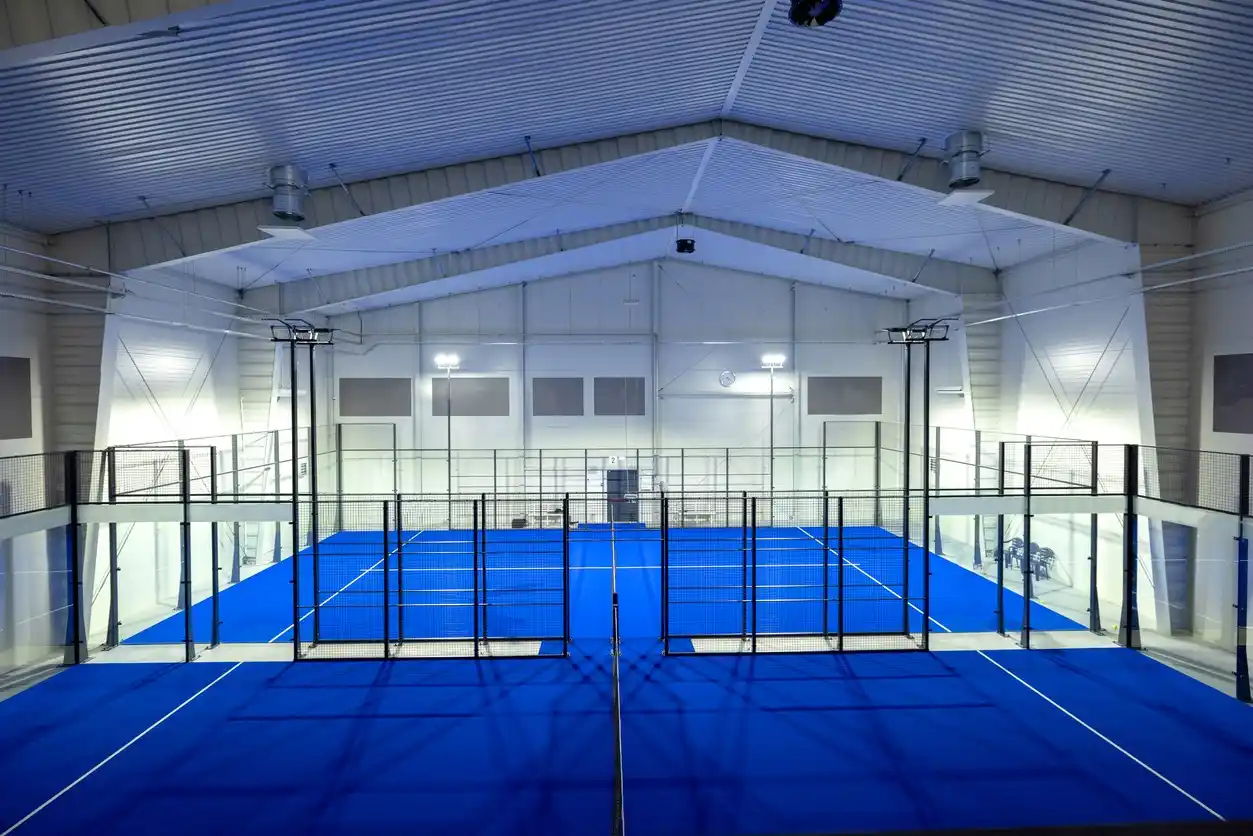
Padel has become much more than a recreational racket sport. Behind its accessible image, it places real demands on the cardiovascular system, coordination, explosiveness, and the ability to repeat short high-intensity efforts. On court, every rally challenges the body through accelerations, braking, changes of direction, trunk rotation, and explosive strokes.
Still, turning that energy expenditure into long-term athletic progress requires more than motivation alone. As with any serious performance-focused activity, real results come from consistency, structure, and smart organization.
Why padel is a genuine performance sport
Padel combines multiple physical qualities within the same session. It requires tactical reading, short-distance speed, repeated effort capacity, and strong neuromuscular control under pressure.
Unlike steady-state cardio, a match constantly alternates between recovery phases and demanding bursts of effort. That pattern is very close to interval training, which helps explain why padel can become a powerful tool for improving overall fitness.
Its main physical benefits include:
- improved cardiovascular endurance
- better explosiveness on first steps
- stronger core stability and body control
- enhanced upper and lower body coordination
- high cognitive engagement through tactical play
The real obstacle to progress: logistics
For many players, the biggest barrier to progress is not motivation but organization. Booking the right court, finding compatible partners, and getting a balanced level of opposition can take far more energy than expected.
When those factors are poorly managed, the quality of the session drops fast. If the match is too one-sided, rallies stay short, the pace collapses, and the useful physical load becomes limited. When opposition is better matched, rallies naturally get longer, heart rate spends more time in productive training zones, and the session becomes much more valuable from an athletic point of view.
Reducing that logistical friction is often what separates occasional players from athletes who improve consistently. Better planning, smarter match selection, and a more deliberate approach to equipment all make a measurable difference over time.
Assessing your level to make cardio work count
One of the most underestimated performance factors in padel is the quality of the opposition. If the four players on court are not reasonably well matched, the true intensity of the session often falls apart.
Against weaker opponents, rallies are too short and energy expenditure remains incomplete. Against much stronger players, frustration rises quickly and you end up reacting instead of building a productive effort. In both cases, the match loses much of its athletic value.
A more objective assessment of your level makes it easier to build balanced matches and longer rallies. That is exactly where padel starts to resemble an effective high-intensity interval session.
Athletic demands and injury prevention
Padel places heavy demands on the musculoskeletal system. The low defensive stance, repeated stops and starts, explosive rotations, and overhead shots quickly load the legs, trunk, back, and shoulders.
Quadriceps and glutes work constantly to maintain efficient footwork. The core connects movement and stroke production. The shoulders, forearms, and upper back absorb repeated technical stress that can become problematic if recovery or equipment is poorly managed.
To progress over time without accumulating pain, two priorities matter most:
- adding specific physical preparation alongside match play
- choosing equipment that matches your body type and playing profile
An unsuitable racket can increase stress on the wrist, elbow, or shoulder. A better-informed choice based on weight, balance, and frame stiffness already acts as a meaningful injury-prevention strategy.
How better structure leads to faster progress
The players who improve the most are rarely the ones who play randomly. They are usually the ones with a visible rhythm, relevant matches, and a clear logic from one session to the next.
A more structured practice often comes down to a few simple habits:
- planning court time in advance
- playing with partners of a similar level
- combining matches, technical work, and physical preparation
- tracking fatigue and recovery signals
- adjusting equipment when the body starts sending warning signs
That kind of structure does not reduce the fun of the sport. If anything, it makes each session more coherent, more intense, and ultimately more rewarding.
Conclusion
Padel can become an excellent performance tool when approached with intention. The sport already provides plenty of natural intensity, but the real benefits appear when that intensity is supported by good organization.
By improving the way you book sessions, select your opposition, and choose your equipment, you turn an irregular hobby into a genuine driver of athletic development. That mix of logistics and effort is what allows padel to deliver meaningful long-term results.
Want a more consistent training routine overall? Use GymLog to track your workouts, monitor your progress, and stay structured over time.